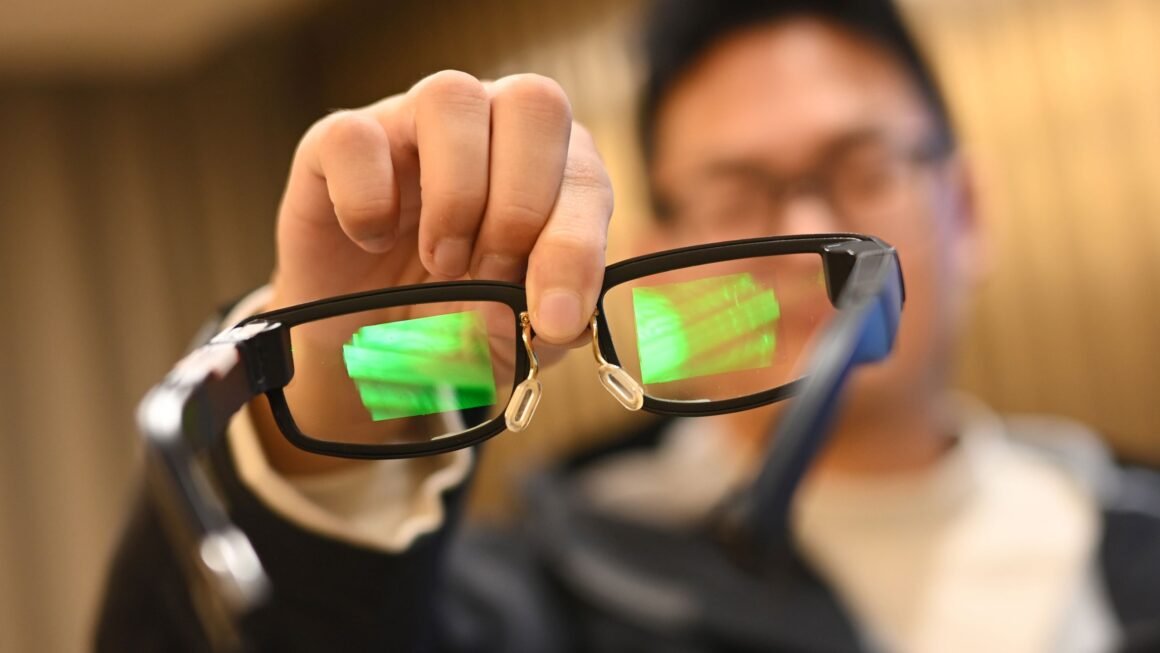

Recently, a judge in London’s High Court encountered a case where a claimant allegedly used smart glasses to receive live answers while giving testimony. The individual was found to be receiving coaching through the glasses during cross-examination, leading to the dismissal of their evidence due to its “unreliable and untruthful” nature.
This incident highlights significant implications for potential buyers of smart wearables, especially in contexts that require transparency and integrity, like legal proceedings. While innovative technology like smart glasses offers exciting possibilities, the misuse in this case raises questions about their integrity and reliability in sensitive environments. Users should be aware that their devices could carry risks, particularly when used in high-stakes situations.
Smart glasses vary widely in price and features, appealing to different consumer segments. High-end models like Google Glass offer robust functionalities, but they can set you back approximately $1,000. More affordable options, such as the Vuzix Blade, provide basic augmented reality features at around $500. There’s also the Xiaomi Mi Smart Glasses, which, while not yet available in Western markets, could provide a good alternative for those in other regions. Each model comes with its pros and cons depending on the user’s specific needs—professionals may require advanced features, while casual users might prefer basic functionality without the hefty price tag.
Those considering smart glasses should carefully evaluate their intended use cases. If you need a device primarily for casual navigation or fitness tracking, simpler models might suffice. On the other hand, if you’re specifically interested in augmented reality applications for work or entertainment, a more advanced model may be worth the investment. However, it’s essential to note the ethical implications of misuse, as demonstrated in the recent court case. Users who may be tempted to leverage such technology unethically should reconsider, as the drawbacks could far outweigh any benefits.
Source:
www.techradar.com