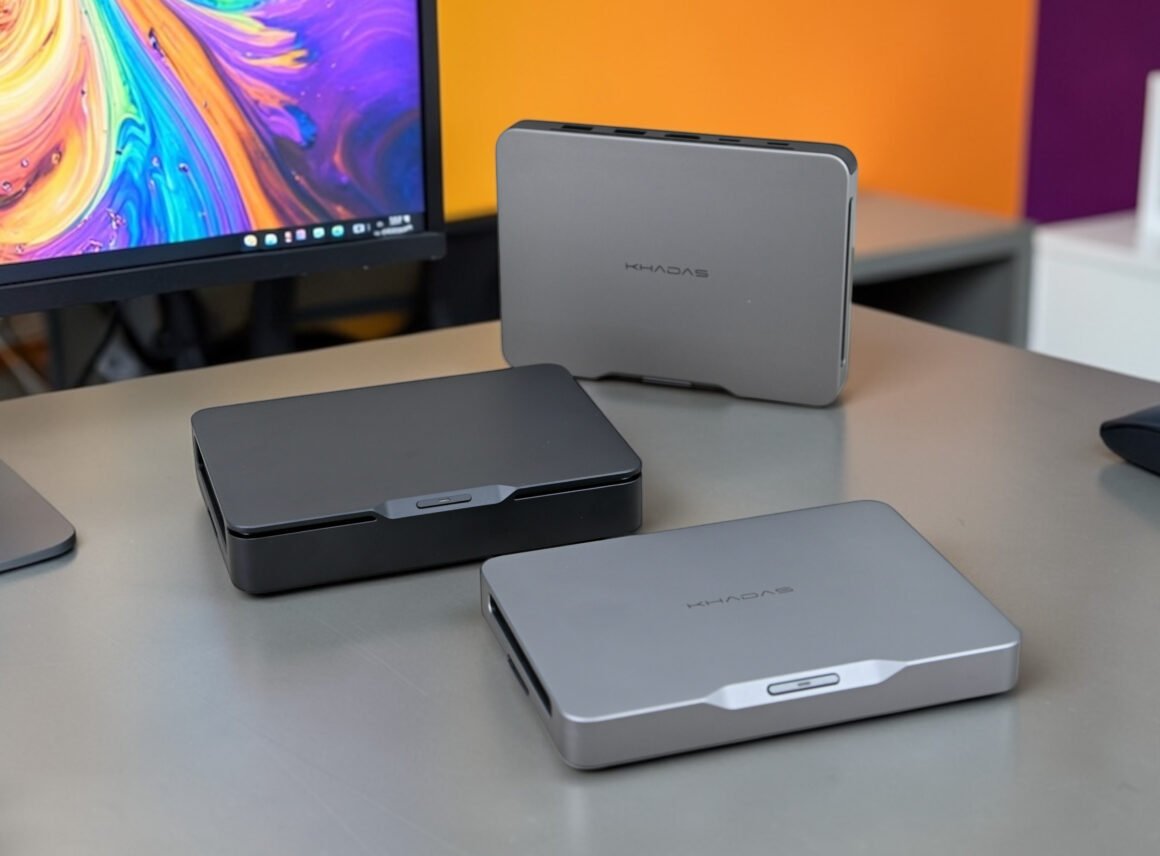

The Khadas Mind series has unveiled its latest offerings, including the Mind, Mind 2, and Mind 2s models, featuring the WD PC SN740 SSDs. These mini PCs are designed for high-speed computing with impressive read speeds ranging from 3,628 MB/s to 3,687 MB/s, depending on the variant. Such performance places them squarely in the bracket of 4K video and intensive multitasking capabilities, which could appeal to creative professionals and tech enthusiasts. Pricing specifics weren’t detailed, but similar configurations typically hover in the $500 to $700 range.
This launch matters to anyone in the market for compact computing solutions, especially those focused on performance without the traditional footprint of larger desktops. Professionals in fields like multimedia editing, software development, or even general productivity can benefit from the speed enhancements these devices promise. For those tracking high-performance mini PCs, these models are globally available, marking a notable entry in a market dominated by larger desktop solutions.
In terms of market context, the Mind series competes with alternatives like the Intel NUC and other mini PCs from brands such as ASUS and MSI, which also offer powerful processors and SSD configurations. The Intel NUC typically begins at around $600, while the ASUS and MSI models can range from $500 to $1,000, depending on configuration and specifications. The Khadas Mind series stands out with its focus on SSD read speeds, although the NUC lineup may offer more versatility in terms of customization and a broader array of ports.
Potential buyers should consider the Khadas Mind series if they need a compact and high-performance option for demanding applications. However, those who require extensive expandability and more diverse port options might lean towards products like the Intel NUC. Additionally, individuals who may find themselves needing to upgrade components or utilize specific hardware configurations might prefer options that allow for greater flexibility over the Khadas models. Each choice depends on specific user needs, particularly regarding size, speed, and upgrade potential.
Source:
www.notebookcheck.net