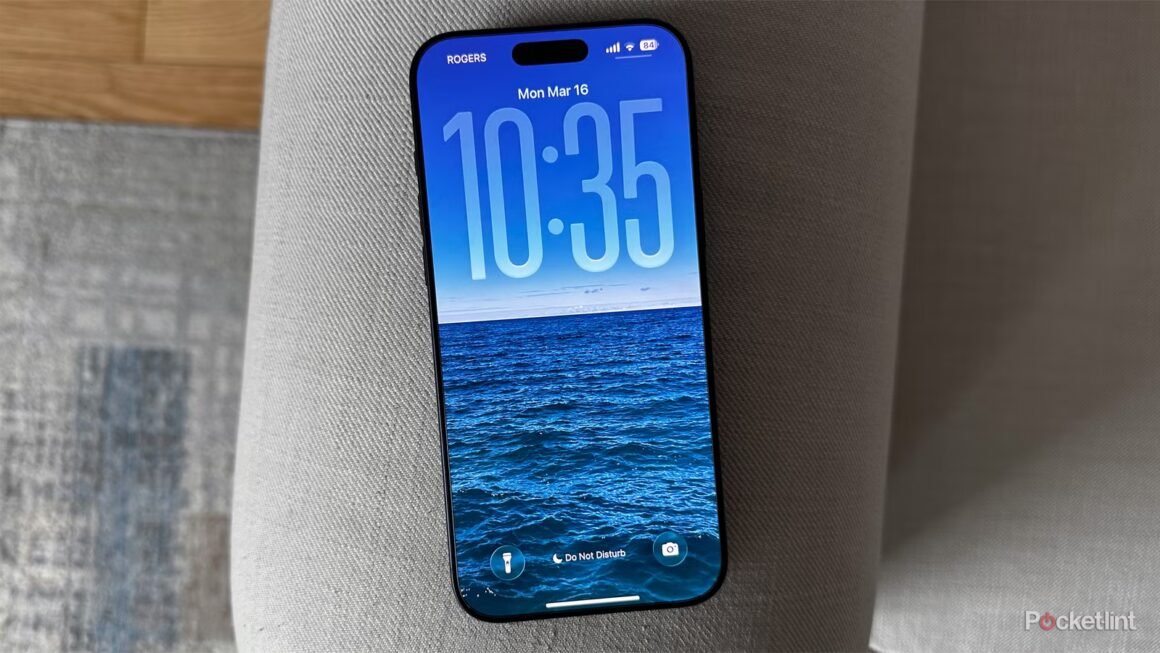

Apple’s recent OS updates, including iOS 26, macOS 26, and iPadOS 26, introduced a major redesign called Liquid Glass. This update features a glass-like visual effect that affects many parts of the user interface, such as app icons and widgets. However, the update has faced mixed reviews, particularly regarding readability concerns.
This redesign is significant for users considering the Apple ecosystem, especially as Liquid Glass is expected to remain a staple in upcoming versions like iOS 27. For current Apple device owners looking to upgrade, the aesthetic changes may influence their experience, especially for those who prioritize interface design. Those planning to purchase devices in the next rollout should keep these updates in mind, as they could affect usability and personal preference.
In terms of market context, Apple devices with the latest OS updates typically represent a premium price point. For instance, the new iPhone—featuring the A19 chip and a Super Retina XDR display—starts around $1,099. Alternatives like Samsung’s Galaxy S series or Google’s Pixel may offer more traditional interfaces at lower price points, appealing to users who prefer straightforward usability over aesthetic redesigns. Each alternative has its merits: the Galaxy S series excels in customization, while the Pixel is renowned for its camera quality, making it suitable for photography enthusiasts.
Ultimately, the decision to embrace Liquid Glass depends on the buyer’s preferences. If you value modern design and are already invested in the Apple ecosystem, this update may enhance your experience. Conversely, if readability and a classic interface matter most to you, exploring alternatives like Samsung or Google might be wiser. Liquid Glass’s potential drawbacks could leave some users preferring a more traditional user interface, particularly those who find the glass aesthetic challenging to navigate.
Source:
www.pocket-lint.com