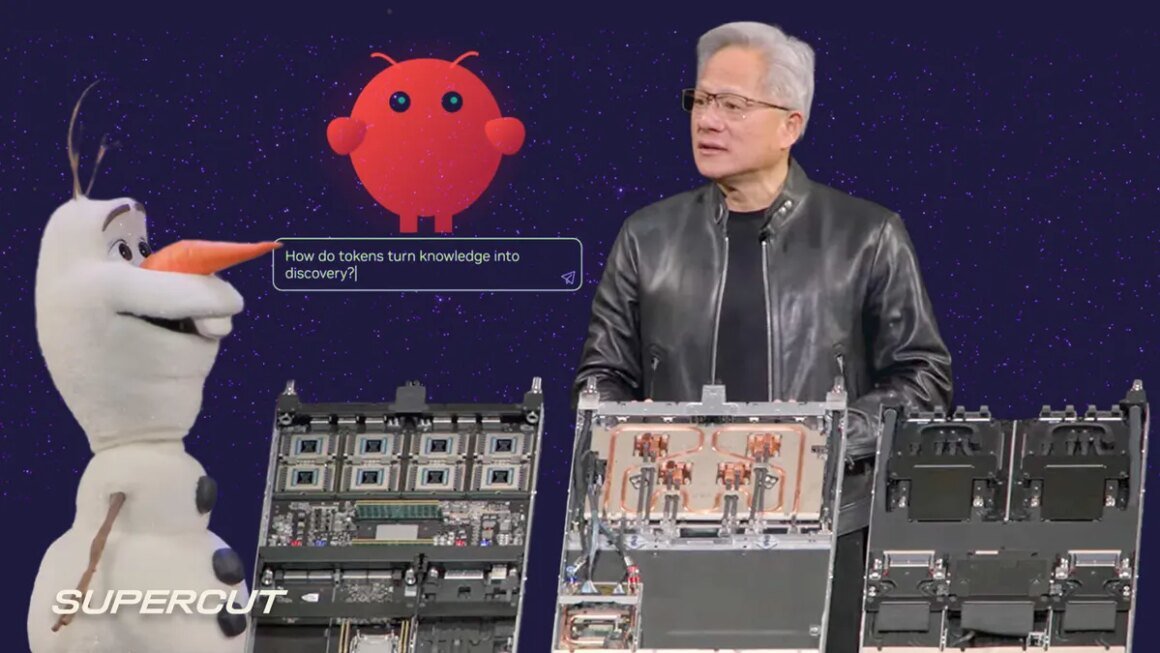

Nvidia recently unveiled exciting developments at their GTC 2026 Keynote, where CEO Jensen Huang announced new partnerships with major players including OpenClaw, Uber Autonomous Cars, and Disney’s Imagineering Lab. Notably, this event highlighted Disney’s introduction of a lifelike robot, Olaf, from the popular movie Frozen, showcasing Nvidia’s advancements in AI and robotics.
This announcement carries significant weight, particularly for those interested in robotics and smart home technology. If you’re pondering a purchase in the realm of advanced home gadgets or AI applications, Nvidia’s latest innovations could inform your choices, especially as they enhance the capabilities of devices that integrate AI for improved user experiences. With these developments being globally relevant, potential buyers in various markets might see these partnerships as key indicators of where technology is heading.
Market context is important here. Nvidia’s innovations can be viewed alongside existing robotics and smart home products that vary widely in price and functionality. For instance, robot vacuums like the iRobot Roomba (around $300) and smart lawnmowers like the Husqvarna Automower (starting at $2,500) offer varying degrees of automation and AI integration. In contrast, more traditional home assistants like the Amazon Echo or Google Nest Hub (ranging from $100 to $300) focus on voice command and smart home control without the advanced robotics elements. This presents options for consumers depending on their budget and technological need.
Individuals looking to invest in robotics and smart technology should consider Nvidia’s advancements seriously, particularly if they seek AI-enhanced devices that could elevate their home experience. However, if you’re more interested in budget-friendly alternatives that still provide smart capabilities, you might find better value in existing products from brands like iRobot or Amazon, which offer reliable performance without the cutting-edge price tag. It’s worth noting that not all consumers require the latest in AI technology, making these established options still relevant for practical everyday usage.
Source:
www.cnet.com