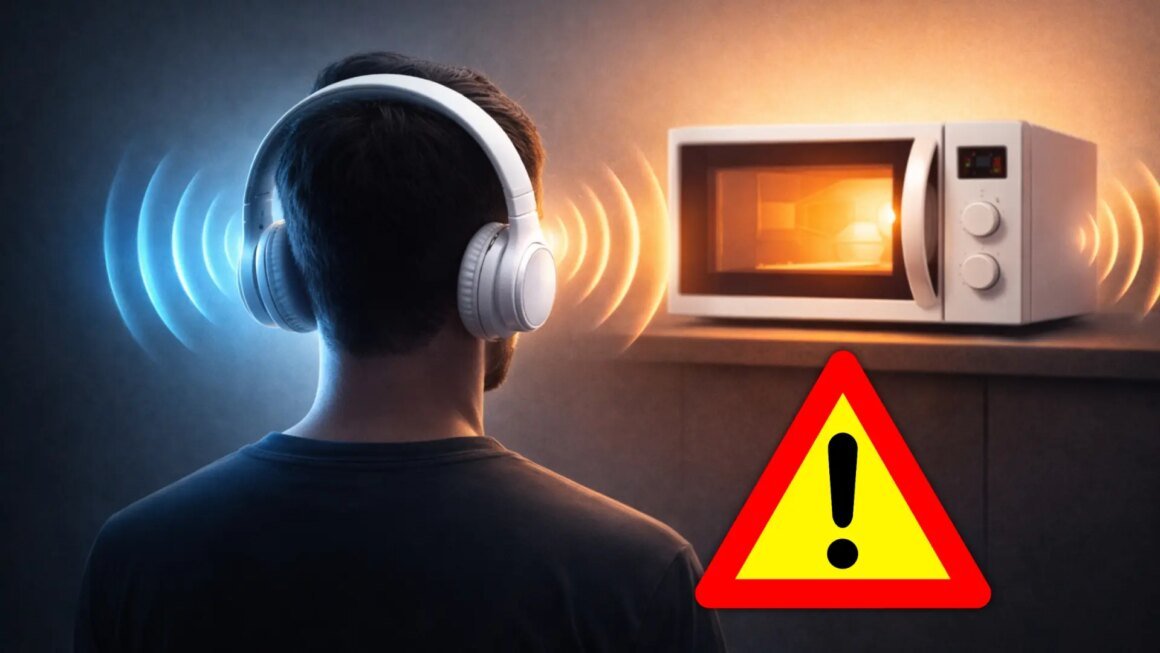

Recent discussions surrounding the safety of wireless earbuds and headphones have raised significant concerns among users, primarily relating to potential health risks associated with radiofrequency exposure. Critics often compare these devices to microwaves, as both operate at a frequency of 2.4 GHz. However, scientific scrutiny reveals that the actual danger posed by these devices is minimal.
This topic is particularly relevant for consumers considering the purchase of wireless audio products. As more people rely on Bluetooth technology for convenience in their daily lives, understanding the implications of prolonged use is crucial. Users can rest assured that the power output of Bluetooth devices is so low—measured in milliwatts compared to the 700-1200 watts of a microwave—that health risks are virtually non-existent. This information can influence buying decisions, reassuring consumers that opting for wireless audio solutions is safe for daily use.
In the current market, wireless earbuds vary widely in price and specifications, with options available for nearly every budget. Entry-level products may cost around $30, providing basic functionality, while premium models can approach $300, offering exceptional sound quality and features like active noise cancelling. This range gives consumers the flexibility to choose based on their preferences and budget. For those skeptical about Bluetooth technology, wired headphones remain a viable alternative, though they may sacrifice some level of convenience.
Overall, wireless earbuds are an excellent choice for many users due to their convenience and improving technology. However, individuals who are particularly concerned about potential health risks may prefer wired options or may wish to limit their usage. Ultimately, the benefits of wireless audio technology far outweigh the negligible risks associated with electromagnetic exposure.
Source:
computerhoy.20minutos.es