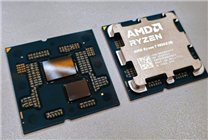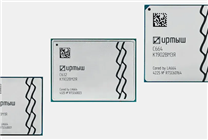

Russia’s Tramplin Electronics has introduced the Irtysh series processors, based on China’s LoongArch instruction set architecture. The initial offerings include a 16-core model (Irtysh C616) and a 32-core version (Irtysh C632), with specifications aiming to compete against Intel’s and AMD’s previous-generation processors. These CPUs are designed for high-performance computing and data centers, enabling Russia to reduce dependence on Western technologies amid ongoing sanctions.
This development is particularly significant for buyers in sectors like data centers, high-performance computing, and users looking for alternatives to dominant players like Intel and AMD. However, it’s important to note that as of now, these processors do not have confirmed availability in Western markets, which could impact decision-making for those looking for reliable alternatives in performance computing.
In terms of specifications, the 16-core C616 operates at 2.2GHz with a thermal design power (TDP) of 100-120W, while the 32-core C632 runs at 2.1GHz with a TDP of 180-200W. These specs put them in a competitive range, comparable to last-generation Intel Xeon and AMD EPYC processors. Pricing details have not been disclosed, but prospective buyers should consider existing alternatives such as the AMD Ryzen series or Intel’s Xeon Scalable processors, which are available through established vendors across various price points. Each competitor offers unique strengths, such as optimization for certain workloads or system compatibility, making it crucial for buyers to align processor choice with their specific needs.
This offering may appeal to those prioritizing performance and wishing to diversify their processor sourcing amidst geopolitical factors. However, potential buyers should also consider that without established Western support and compatibility, integration into existing systems could pose challenges. Additionally, users who are already invested in ecosystems built around Intel or AMD may find migrating to an entirely new architecture unnecessary and potentially disruptive. Those who need immediate access to compatible, high-performance processors may prefer established options on the market instead.
Source:
news.mydrivers.com