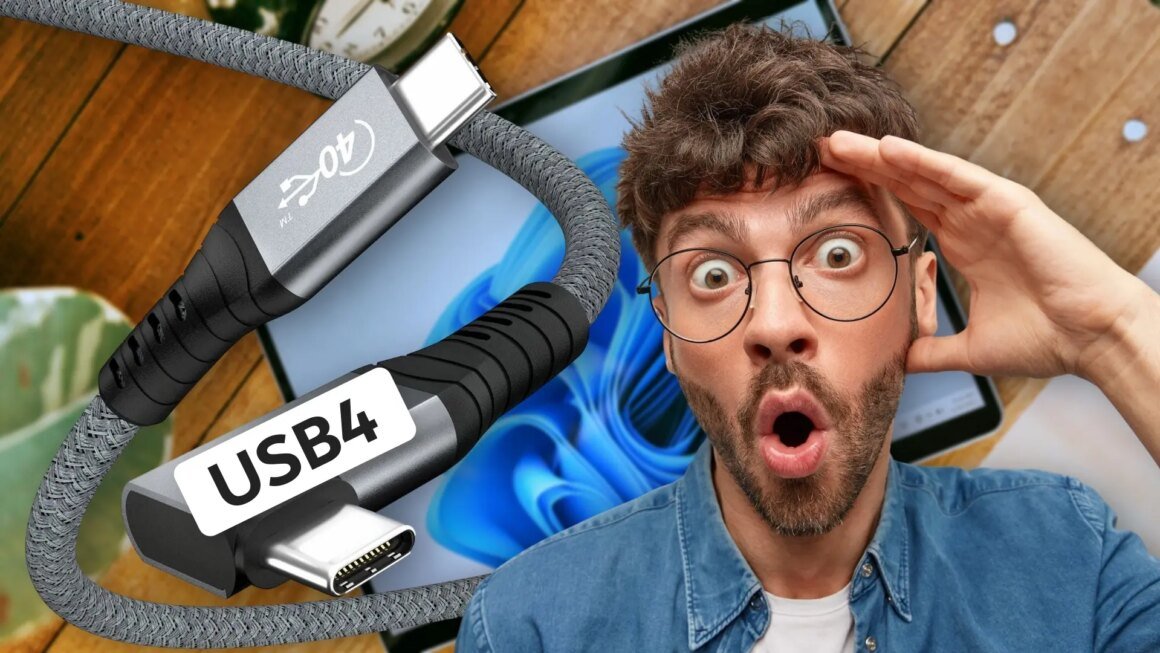

USB4 is the latest USB standard, introducing faster data transfer speeds and improved compatibility for a variety of devices. It supports speeds of 20 Gbps, 40 Gbps, and upcoming versions promise even faster rates of 80 Gbps and 120 Gbps. This development is significant for tech users looking for effective solutions to transfer large files swiftly and charge devices rapidly, marking a step forward in connectivity technology.
This matter primarily affects those who utilize multiple devices like laptops, smartphones, and external drives. As the trend towards higher resolutions and faster file transfers continues, understanding the advantages of USB4 can guide consumers in making informed purchasing decisions for cables and compatible devices. If you’re planning on connecting newer tech or upgrading your current setup, USB4’s capabilities will directly impact your experience.
In market terms, USB4 leads the field, particularly when compared to its predecessor, USB 3.2 Gen 2×2. While standard USB cables might be more affordable, USB4 cables can range from $20 to $60 depending on brand and specifications. Notable alternatives include options from brands like Anker and Belkin that offer USB-C cables with varying speeds and functionalities, from everyday use for charging to premium charging cables meant for high-performance tasks. Each alternative can meet different user needs but may not match the performance specifications USB4 offers.
This standard is ideal for professionals who demand high speeds and reliability—such as content creators and tech enthusiasts looking to maximize their efficiency. However, casual users, who may only need basic charging or data transfer capabilities, might find USB4 an unnecessary expense. In this case, opting for more economical USB-C options could be a better fit for their needs without complicating their tech ecosystem.
Source:
computerhoy.20minutos.es