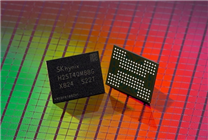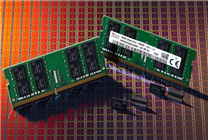

Samsung is experiencing a remarkable surge in profits, projected to reach about $170 billion this year, driven primarily by a significant increase in memory prices. This profit forecast marks a staggering fivefold increase compared to the previous year, largely attributed to the booming demand for semiconductors, specifically DRAM and flash memory, amidst global supply constraints.
This development is particularly relevant for anyone in the market for memory products, including SSDs (solid-state drives) and DRAM for gaming laptops, desktops, or other tech devices. If you’re planning to make a purchase soon in these categories, it’s essential to be aware of how rising memory costs can affect pricing across various devices. Globally, consumers may find that certain memory-intensive products could be in short supply or subject to higher prices due to this manufacturing boom.
Contextually, the memory market is experiencing unprecedented margins, with key players like Samsung and SK Hynix achieving operating profit margins exceeding 70% for DRAM and 40-46% for flash memory. Comparatively, companies like NVIDIA and TSMC have built their profits over several years, primarily through their GPU and chipset offerings. Yet, they still fall short when compared to Samsung’s explosive growth in just one year. Alternatives in the memory space are available, such as Crucial for SSDs and Corsair for gaming memory, generally positioned at a lower price point, but they may not offer the performance or reliability levels that Samsung products provide, especially for high-performance computing needs.
Deciding whether to invest in Samsung memory products boils down to individual needs. If you require high-capacity, high-speed memory for demanding applications, Samsung is a strong contender. However, if you’re budget-conscious or primarily using your devices for general tasks—like browsing or streaming—other brands might offer a better balance of price and performance without compromising too much on quality. Consider your usage scenario carefully; not everyone needs the top-tier offerings that come with Samsung’s elevated price tags.
Source:
news.mydrivers.com