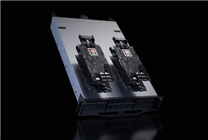

ByteDance, the parent company of TikTok, has developed a strategy to obtain NVIDIA’s latest AI chips, particularly the powerful B200 model, despite ongoing U.S. export restrictions. Partnering with Aolani Cloud, ByteDance is set to invest over $2.5 billion to establish Blackwell computing systems in Malaysia, aiming to access around 36,000 of these advanced chips for AI research and development that occurs outside China.
This development could be significant for tech companies looking for high-performance computing capabilities. With NVIDIA’s chips being restricted from direct sale to certain countries, ByteDance’s workaround could encourage other companies to explore similar avenues for acquiring advanced technology. While this specific infrastructure may not be available to consumers or smaller businesses, it sets a precedent that could influence global supply chains and technology access in various sectors.
In terms of market context, NVIDIA’s B200 chips are designed for intensive AI workloads, positioning them comparably with premium alternatives from companies like AMD and Intel, who also produce high-performance chips. For buyers interested in AI capabilities, understanding this competitive landscape is crucial. Alternative products might include mid-tier options that provide ample performance at a lower price point but lack the superior capabilities of the B200s. Each offering serves different needs, so potential buyers must consider their specific requirements and budget constraints.
This initiative may attract organizations focused on cutting-edge AI applications, but it might raise concerns for those wary of the implications of working with a Chinese tech giant due to geopolitical factors. For businesses that need reliable, established alternatives with clear compliance to export regulations, selling their computing needs to local providers who offer compatible options may be more prudent. Always assess your operational requirements and regional regulations before making a technology investment, especially in the evolving AI landscape.
Source:
www.engadget.com