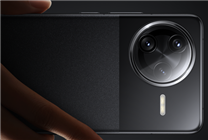

The Xiaomi Redmi Note 13 has recently been highlighted for retaining its value well in the secondary market, losing only about 8.7% of its value in the first year. In contrast, more premium devices like the iPhone 15 Plus can drop over 29% in the same timeframe. This suggests that the Redmi Note 13 is an economically sensible option for those considering longevity in their smartphone investment.
This information is particularly relevant for buyers exploring mid-range smartphones that offer good value. With many users concerned about the resale potential of their devices, understanding how model value depreciates can influence decisions. While the Redmi Note 13 is gaining attention, potential buyers should factor in how well this phone will serve them in the long term. It’s important to assess whether this device meets personal needs in terms of features and performance.
Price-wise, the Redmi Note 13 occupies a competitive space, making it attractive for buyers who want a decent smartphone without the price tag of premium devices. In the same category, alternatives include the Samsung Galaxy A15 and the Redmi 9A, both of which also offer solid performance at reasonable price points. However, users might miss out on the robust support and better resale value that come with higher-end models like the iPhone series, which still dominate the second-hand market in terms of demand and longevity.
Ultimately, the Xiaomi Redmi Note 13 is suitable for budget-conscious consumers seeking good performance without investing in a premium smartphone. Buyers who prioritize resale value and long-term support might want to consider other options, particularly for those willing to spend a bit more for a device with broader future-proofing potential. If immediate features are more important than long-term value retention, exploring flagship models may yield better satisfaction, even if they come with a higher initial cost.
Source:
www.lesnumeriques.com