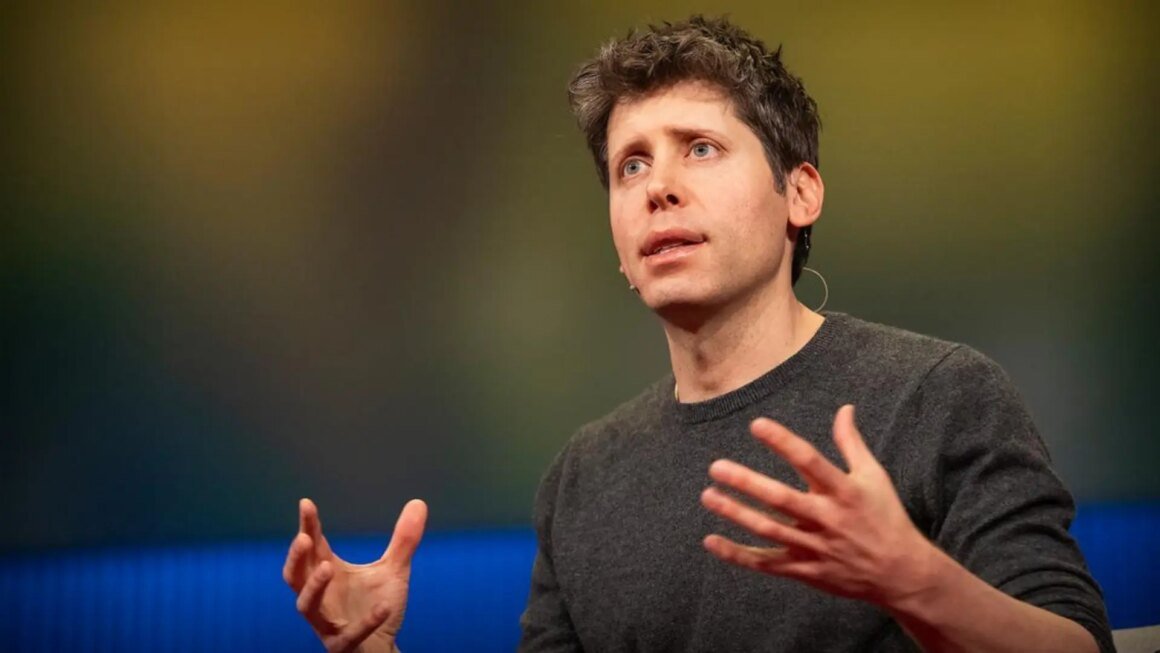

Sam Altman, CEO of OpenAI, recently expressed his vision for artificial intelligence (AI), suggesting that technologies like ChatGPT could soon be perceived as essential services, akin to water or electricity. During a recent conference, he highlighted plans for AI to evolve into a “public utility” where users pay based on consumption rather than traditional subscription models.
This perspective is particularly relevant for those interested in AI tools and applications right now, especially as the concept of AI becoming a necessity raises questions about pricing and accessibility. If OpenAI succeeds in implementing a pay-per-use model, consumers could see major changes in how they access AI services. This shift could appeal to users who require AI for specific tasks but are unwilling to commit to ongoing subscription fees.
Currently, various AI tools and platforms offer distinct pricing structures. For instance, platforms like Google’s AI offerings provide free tiers alongside subscription plans, while others like Microsoft’s Azure AI services charge based on usage. With OpenAI potentially moving towards a consumption-based model, it would enter a competitive landscape that includes these options. Users may appreciate the flexibility of only paying for what they use, especially if it lowers the barrier to entry for trying out new AI capabilities.
Ultimately, this evolution in AI usage models could resonate with a diverse range of users. However, those looking for straightforward, pay-once solutions may find themselves disappointed. A user who occasionally needs AI assistance might prefer platforms that offer free access or lower fixed costs instead of an unpredictable usage-based model. For tech enthusiasts who frequently leverage AI, OpenAI’s framework could provide a more adaptable solution, but others may find real value in simpler or more established alternatives.
Source:
computerhoy.20minutos.es