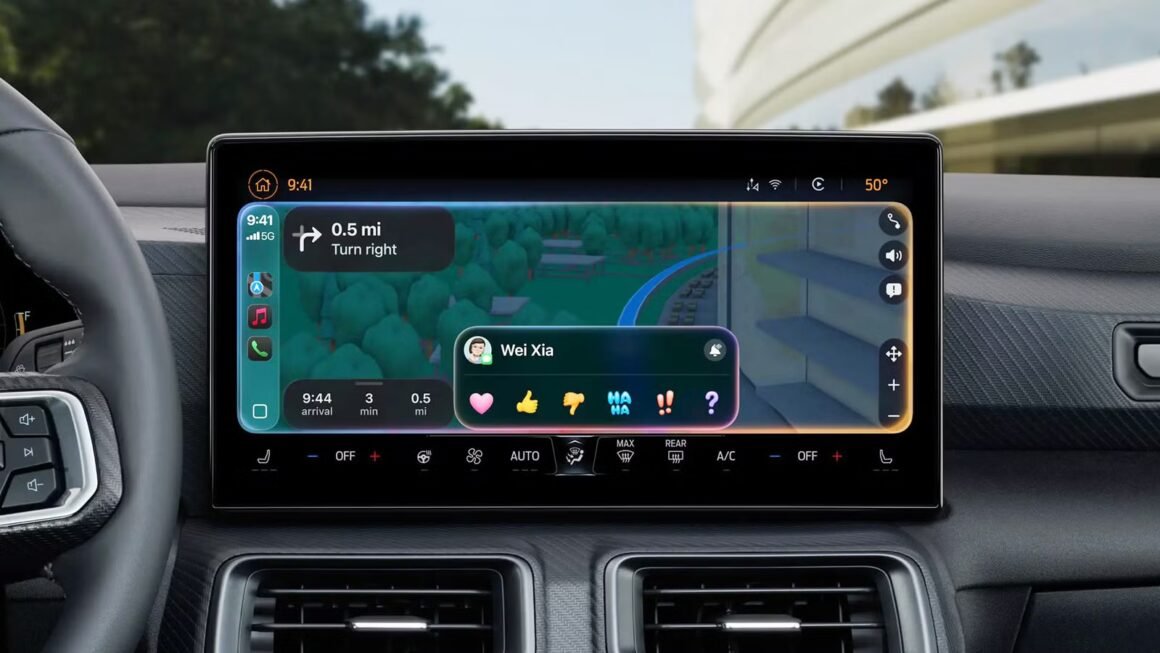

Upgrading your car’s infotainment system is now easier than ever, allowing even older models to integrate seamlessly with modern technologies like Android Auto and Apple CarPlay. This can involve various solutions, from replacing the head unit to adding a portable screen or using a wireless adapter, with costs typically ranging from $100 to $500 depending on the method chosen. The benefits of upgrading include enhanced connectivity, better navigation, and improved audio quality, making daily commutes and long trips more enjoyable.
This is particularly relevant for anyone currently in the market for a vehicle enhancement that bridges the technology gap in older cars. With a rise in demand for advanced infotainment systems that support music streaming and navigation apps, upgrading your current vehicle can significantly enhance its usability without the need for a costly new purchase. This is particularly beneficial for budget-conscious consumers or those who own classic cars that lack modern features.
Market-wise, the spectrum of options to upgrade varies widely. Entry-level head units start at around $150 and can provide essential functionalities, while more feature-rich models from brands like Kenwood or Pioneer can go for up to $500. For those looking for non-invasive solutions, portable screens are available ranging from $100 to $300, making them accessible for many consumers. Alternatively, wireless adapters provide a simple option for those whose vehicles only support wired connections, typically priced between $50 and $100. Each of these alternatives serves a different audience, from tech-savvy users wanting full integration to budget-conscious individuals seeking basic functionalities.
Upgrading your car’s infotainment system is an attractive option for those who frequently use their vehicle for commuting or road trips. However, if you have a newer model equipped with modern technology already, investing in these upgrades may not be necessary. Individuals who prioritize having in-built features and prefer to avoid the hassle of installation might consider sticking with their current system or exploring newer vehicles that come fitted with the latest technology directly from the manufacturer.
Source:
www.pocket-lint.com