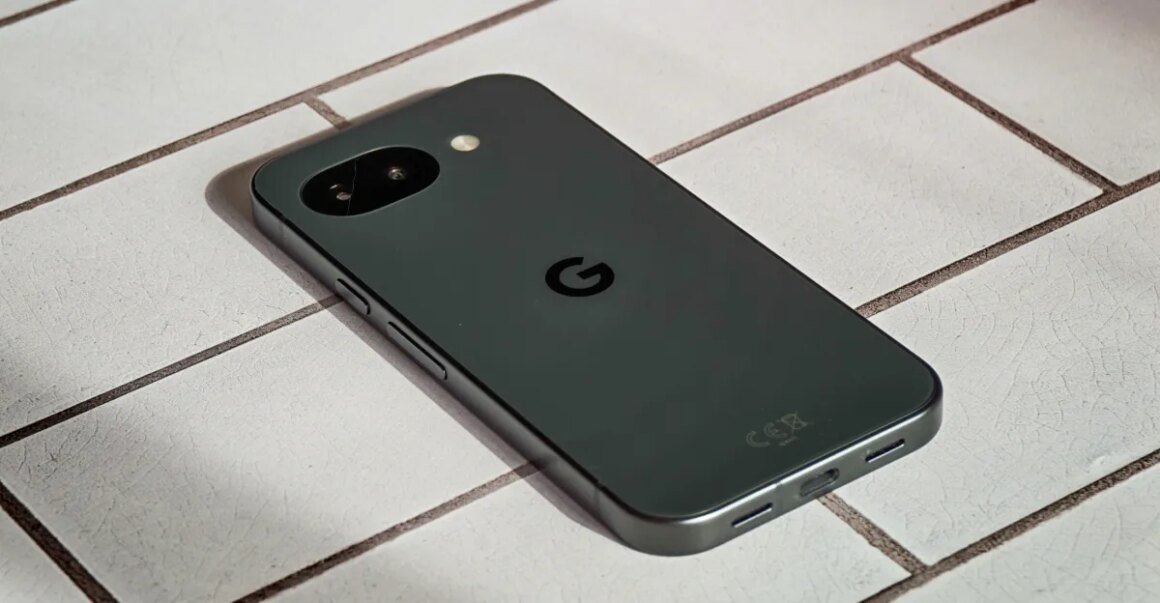

The Google Pixel 10A has hit the market, priced at $499 for the 128GB version. This phone features a familiar design and specifications that many will recognize from its predecessor, the Pixel 9A, raising the question of what exactly is new.
This is an important consideration for consumers looking for a mid-range smartphone. The Pixel 10A is globally available, making it easy for potential buyers in various regions to access it. However, with the Pixel 9A still on sale at a lower price point, the distinction between the two models may make it difficult for budget-conscious shoppers to justify choosing the 10A. The lack of significant enhancements could sway potential buyers toward the more affordable 9A, especially those who prioritize value for money.
In the realm of mid-range smartphones, the Pixel 10A competes with a few other notable options. For $449, the Samsung Galaxy A54 offers a solid AMOLED display and a well-rounded camera experience. Alternatively, OnePlus’s Nord N20 5G is available for around $299, providing excellent performance for its price, albeit with less camera prowess than the Pixel lineup. Each of these options caters to specific needs, whether that’s display quality, camera performance, or overall value, creating a competitive landscape that the Pixel 10A must navigate carefully.
For those considering the Pixel 10A, it’s ideal for users who appreciate Google’s software experience and can benefit from the promised seven years of software updates. However, if you’re after cutting-edge performance or enhanced camera features, the Pixel 10A may not meet your needs. The 9A is a compelling alternative, especially for those who are budget-focused or who don’t require the minor updates present in the 10A. Ultimately, the decision will hinge on how much buyers value the slight improvements and software longevity over a more cost-effective option.
Source:
www.theverge.com