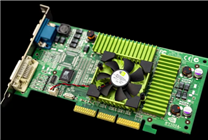

NVIDIA recently celebrated the 25th anniversary of its GeForce 3 GPU, marking a significant milestone in graphics technology. This event highlighted how the GeForce 3 played a crucial role in transitioning from fixed-function graphics to programmable shaders, fundamentally altering the landscape of video gaming and graphics processing. As NVIDIA continues its focus on AI advancements, the implications of this historical shift remain relevant for those looking to purchase graphics cards today.
For consumers in the gaming sector, the GeForce 3 is a reminder of the importance of innovation in graphics technology. Even though the original product is not available, its legacy continues to influence current generation GPUs, affecting choices for buyers seeking high performance in gaming and professional applications. The lessons learned from the GeForce 3’s capabilities resonate in modern graphics cards, which prioritize flexibility and developer creativity—qualities crucial for today’s gaming experiences.
In today’s market, options like the NVIDIA GeForce RTX series or AMD’s Radeon RX lineup utilize the principles established by the GeForce 3, with a focus on advanced graphical features such as ray tracing and AI-enhanced rendering. Prices for these modern GPUs can range from around $300 to over $1,500, depending on the specifications and performance benchmarks. Competing products, such as AMD’s Radeon 6000 series, may serve as viable alternatives at different price points, offering varying benefits based on application needs and budget. Each product line has its strengths, and potential buyers should evaluate their individual gaming or professional requirements when deciding.
This anniversary serves as a touchpoint for gamers and professionals contemplating a graphics card purchase. Those who engage in high-demand applications, such as 3D rendering or gaming, may find NVIDIA’s offerings to be attractive due to their rich feature set. Conversely, users with less intensive needs or those on a tighter budget might consider exploring mid-range options, which can provide ample performance without the higher costs associated with premium models. Ultimately, evaluating personal usage scenarios will aid in making informed decisions about whether to invest in a more recent high-performance GPU.
Source:
news.mydrivers.com