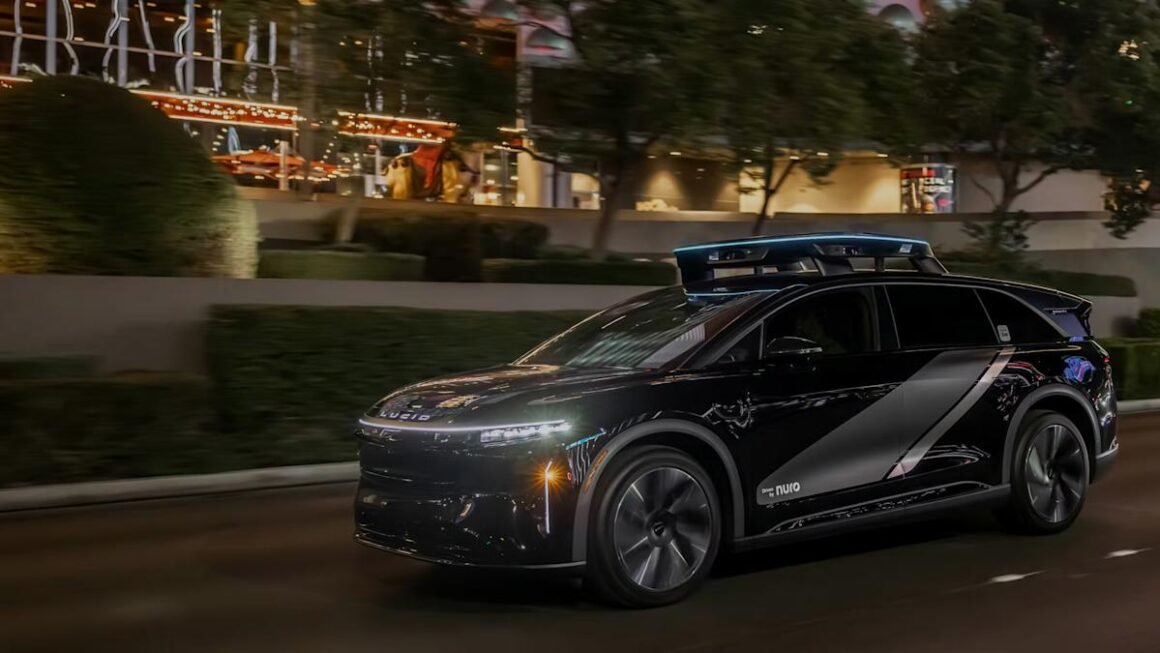

Nuro, a US-based self-driving startup supported by prominent investors such as NVIDIA and Toyota, has started testing its autonomous vehicles in the challenging environment of Tokyo. This development is particularly notable as Nuro plans to launch a robotaxi service with Uber and Lucid in San Francisco later this year. Initially, tests will include a limited number of vehicles, with human safety drivers present, in compliance with Japanese regulations.
This testing is significant for consumers considering autonomous vehicle options, especially as more companies like Waymo also explore robotaxi services in urban settings. As self-driving technology gradually becomes part of everyday transportation, the implications extend beyond just local markets. If you’re in a city looking for future mobility solutions or even potential partners in autonomous delivery, Nuro’s advancements could influence your options and choices. While Nuro’s current offering is not yet available for purchase, its testing signals a growing commitment to revolutionizing urban mobility.
In terms of market context, Nuro’s approach highlights an evolving landscape where multiple players are vying for a foothold in the robotaxi sector. For comparison, Waymo is already operational in Tokyo with backing from local taxi operators, marking a competitive space with various strategies. Alternatives like traditional ridesharing services or even emerging apps that focus on electric or hybrid vehicles remain available for consumers who may not yet be ready to shift to fully autonomous solutions. Pricing for ridesharing typically ranges between $10 to $30 per trip, depending on distance and local market factors, making it a familiar choice while awaiting the rollout of robotaxis.
Considering Nuro, it may appeal to tech enthusiasts and those keen on experiencing cutting-edge autonomous technology. However, for consumers looking for immediate mobility solutions, the lack of availability and the ongoing testing phase might be a downside. If you prioritize a reliable and known service, sticking with existing rideshare options or public transportation systems could provide better value at present. Ultimately, the best choice depends on the individual’s needs and whether future tech aligns with those today.
Source:
www.engadget.com