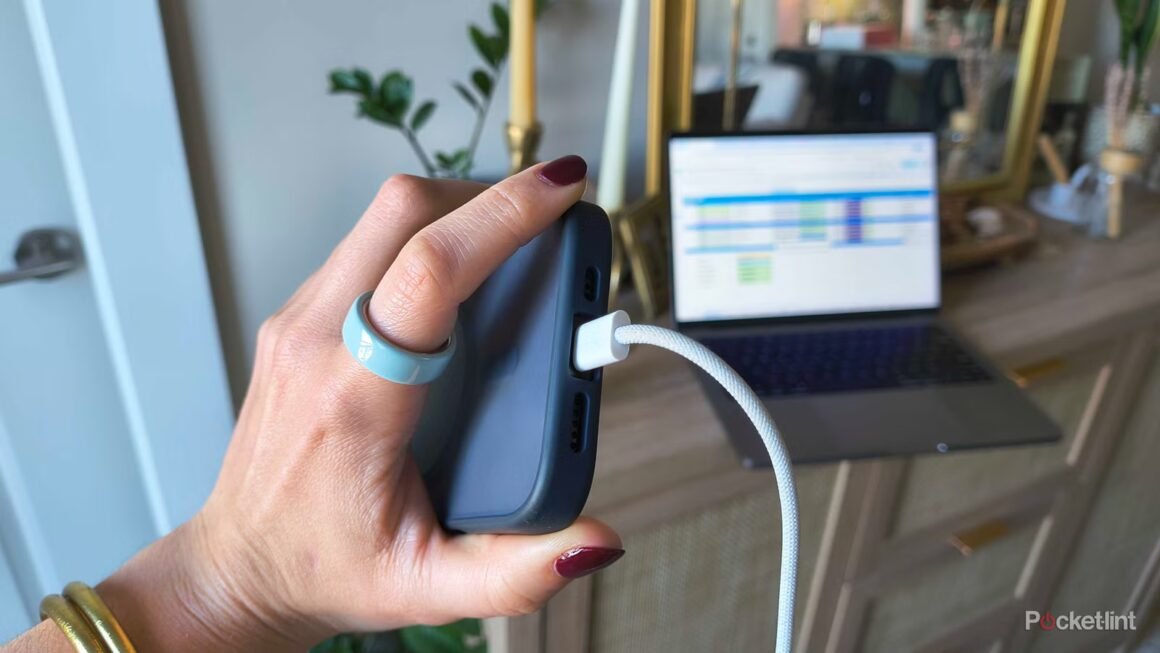

Understanding USB technology is crucial for anyone relying on wired devices for charging and data transfer. Despite the rise of wireless technology, USB remains integral in everyday life. Mismatched power and data speeds can frustrate users, especially as manufacturers often under-inform regarding these specifications, which can lead to unpleasant surprises when performance doesn’t meet expectations.
For consumers shopping for chargers or cables, it’s essential to grasp how USB power delivery works. People upgrading to the latest devices may not realize that using incompatible or subpar cables can significantly slow down charging times or data transfer speeds. This knowledge is vital for anyone planning to purchase devices that rely heavily on USB connections, especially with newer models that take advantage of faster technologies like USB-C and USB 4.
When considering options, products vary widely—not only in price but also in performance. A basic USB 2.0 charging cable can cost around $5 but may only deliver 2.5W, resulting in slow charging. Conversely, a high-quality USB-C cable supporting USB Power Delivery can cost upwards of $20 and offer rapid charging, sometimes exceeding 100W. It’s important for buyers to evaluate their needs: for basic devices, cheaper options may suffice, but for high-performance devices like newer smartphones and laptops, investing in a stronger cable is often worth it.
Ultimately, those who frequently use high-capacity devices should prioritize purchasing quality USB products that meet their device specifications. Conversely, casual users of older technology may find that lower-priced options fulfill their requirements. A key reason a buyer might opt against investing in higher-end cables is if their usage is minimal or they own older devices that do not support faster technology. In this case, cheaper alternatives can serve adequately without the need for an upgrade.
Source:
www.pocket-lint.com