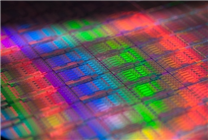
Meta has introduced four new computer chips under its MTIA (Meta Training and Inference Accelerators) line, aimed at enhancing generative AI functions and content ranking on its platforms like Facebook and Instagram. The MTIA 300 is currently in production, while the MTIA 400, 450, and 500 are set to be released between 2027 and 2027, showcasing Meta’s rapid development in semiconductor technology, a field it historically has not engaged in.
This development is particularly relevant for tech enthusiasts and professionals currently evaluating how AI capabilities could impact their daily use of social media and content delivery applications. As Meta pushes forward in building its own hardware, users may benefit from more personalized content recommendations and improved AI interactions across various apps. Although these chips are primarily for internal use, their advancements may eventually lead to features that enhance user experience on a global scale.
In terms of market context, the MTIA chips are a fresh entry in a competitive landscape dominated by established players like Nvidia and AMD. The MTIA 400, for instance, is positioned to compete with commercial alternatives in terms of performance, while the MTIA 450 and 500 promise to offer even more memory and innovative data handling capabilities. Buyers should be aware that alternatives like off-the-shelf GPUs may still provide robust performance for individual users or small businesses at a lower cost, typically ranging from $300 to $1500 depending on specs.
These MTIA chips could make sense for developers or businesses heavily invested in Meta’s ecosystem and looking to leverage advanced AI functionalities. However, for general consumers and professionals who don’t frequently utilize Meta’s platforms or need similar AI capabilities, it may be better to explore more conventional options that fit their specific needs without the focus on proprietary technology. A broader array of processing solutions is available that can meet diverse requirements without the constraints that come from specialized hardware.
Source:
www.wired.com