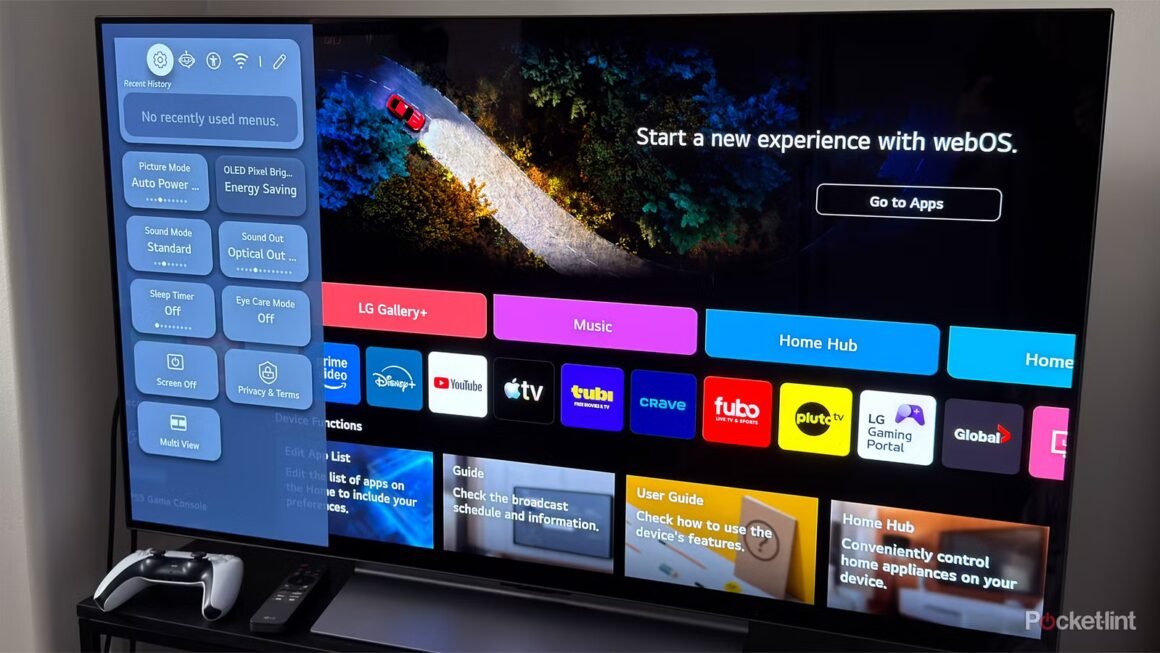

The OLED TV landscape is evolving, with new developments like blue phosphorescent OLED (PhOLED) technology promising improved brightness and efficiency. While commercial availability is projected for around 2027, this advancement could potentially keep OLED TVs relevant in an increasingly competitive market dominated by mini-LED and MicroLED technologies.
This matters to consumers considering a TV purchase now. If you’re eyeing an OLED, it’s worth knowing that while they may still be the go-to choice for high-quality images, ongoing improvements in mini-LED technology make them brighter and generally more affordable. Consumers looking for a TV in the next few years should be mindful that blue PhOLED could enhance OLED offerings but won’t resolve existing issues like burn-in. As such, buying an OLED today could still be a solid choice for viewers focused on color accuracy and contrast.
When it comes to price and specifications, OLED TVs tend to be positioned in the higher range, often starting around $1,200 to $2,500 depending on size and brand. Competing options include mini-LED TVs, which are starting to offer vibrant displays at prices that can be similarly competitive, often ranging from $800 to $1,800. Brands like Samsung and LG have been leading in both categories, offering diverse models that cater to different needs. Those who prioritize brightness may find mini-LED models particularly appealing without the risks posed by OLED burn-in.
For those considering an OLED, the technology will remain a strong candidate for vibrant home viewing well into the future, bolstered by advances like blue PhOLED. However, if burn-in concerns or brightness are your priorities, exploring mini-LED options might be a wiser choice, especially with their growing affordability and improving specs. Ultimately, it’s about balancing your viewing habits and preferences with the potential risks associated with OLED technology.
Source:
www.pocket-lint.com