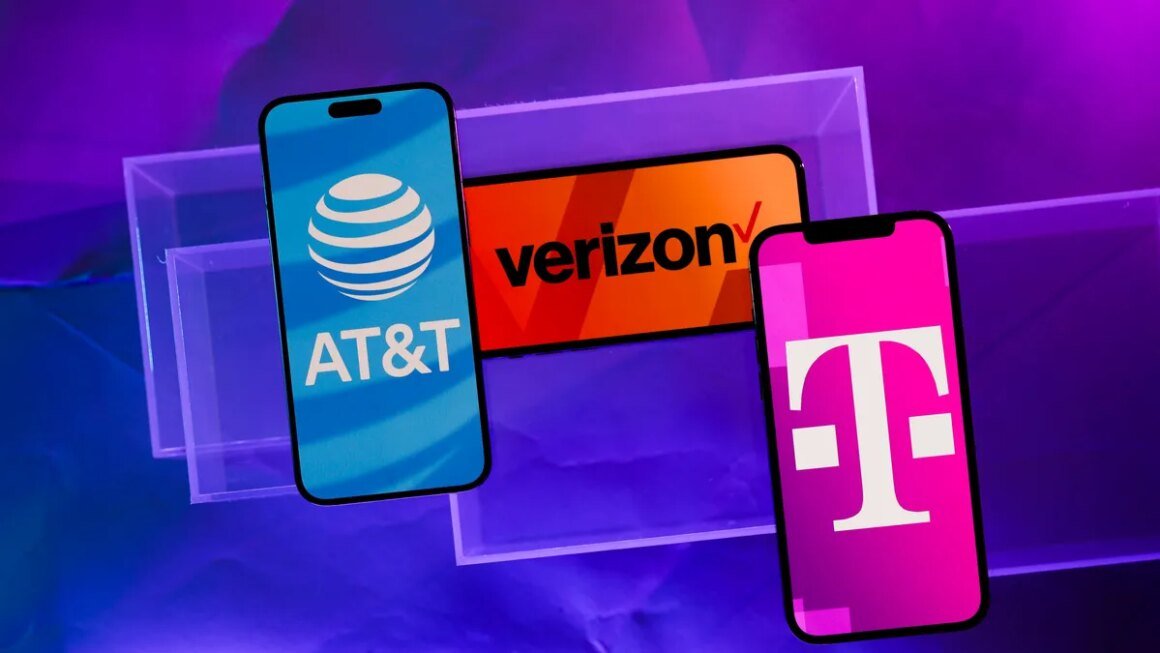

The emergence of 5G technology marks a significant shift in mobile connectivity, offering faster data speeds compared to previous generations like 4G LTE and 3G. While major carriers globally support 5G connections, it’s important to understand there are variations within the technology itself. The types include mmWave, known for its high speed but limited range, low-band 5G, which provides broader coverage at slower speeds, and midband 5G, a balance of speed and range. This tier often includes C-band spectrum, which has been recently auctioned in various markets.
This technology is particularly relevant for consumers seeking high-speed internet access on their smartphones and other devices. If you’re in an area where 5G is deployed, especially using midband or low-band connections, you may notice significant improvements in speed and reliability, which can be a game-changer for streaming, gaming, and browsing. However, not all 5G signals are created equal—your experience can be hampered by infrastructure factors like building materials or your specific location. For anyone considering a new smartphone this year, verifying 5G compatibility with your carrier’s offerings is crucial.
In terms of market context, smartphones that support various 5G types are now available at a wide range of price points. For instance, budget options like the Samsung Galaxy A series offer low-band capabilities for around $250, while premium devices such as the iPhone 14 or the Samsung Galaxy S23 can exceed $1,000, offering faster midband and mmWave support. Consumers should weigh their needs against their budget: if you primarily use your phone for social media and streaming, a mid-range phone with low-band may suffice, while heavy data users or gamers may see value in investing in a more expensive device that takes full advantage of advanced 5G networks.
In conclusion, prospective buyers should consider their specific use cases carefully. If you mainly browse and use social media, opting for a more affordable smartphone with 5G may be suitable. However, if you prioritize high-speed gaming or streaming, it might be worth investing in a more advanced device. One reason to hesitate on a new 5G phone is the ongoing rollout of 5G Advanced technology, which promises even faster speeds through carrier aggregation; waiting for these future devices may provide better long-term value for those who can afford to hold off.
Source:
www.cnet.com