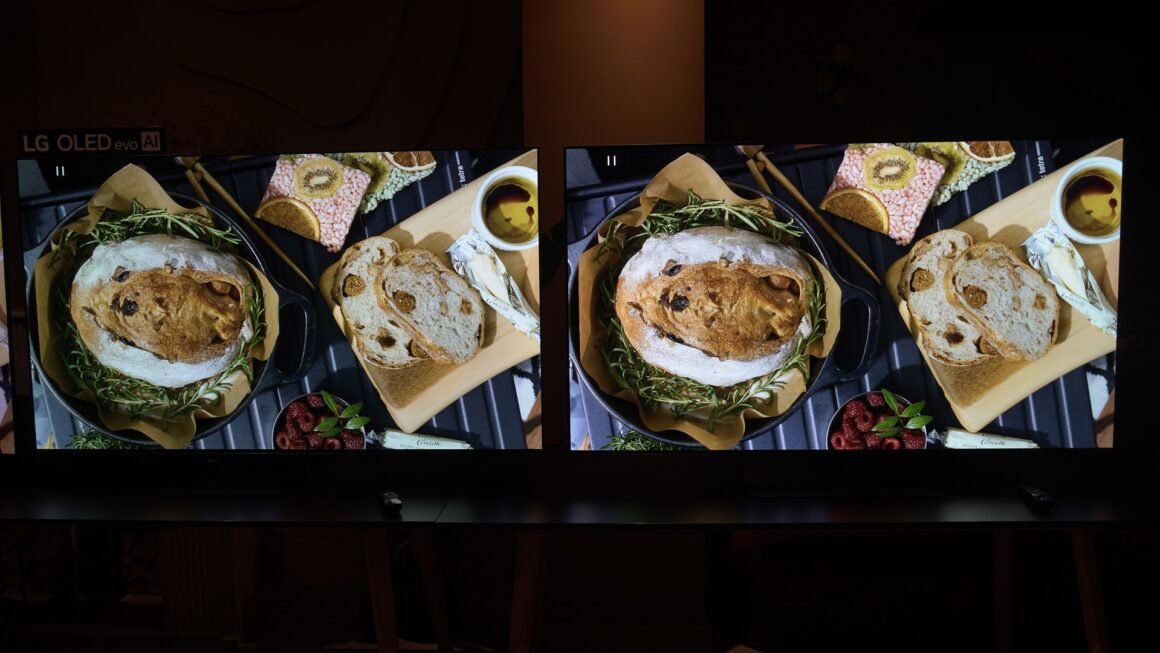

Dolby Vision 2 is a new HDR format recently announced to enhance picture quality but is facing uncertainty in terms of support and content availability.
This is significant for consumers considering a new television. While Dolby Vision 2 promises improved visual experiences, many major TV brands, such as LG, have yet to adopt it. This lack of commitment raises questions about the format’s immediate relevance, especially for buyers who prioritize picture quality in their viewing experience. As it stands, Dolby Vision 2 content isn’t widely available, making it less enticing for prospective TV owners in 2026.
Currently, Dolby Vision 2 sits in a precarious market position. Compared to existing HDR formats, like HDR10+, it lacks a robust ecosystem. Notably, content providers like Disney and Netflix have yet to announce plans to support it, which raises concerns about its long-term viability. As of now, you can find TVs that support HDR10+ or the original Dolby Vision, often at lower price points, which might be a safer choice for consumers looking for immediate value. These formats are supported by a wider range of content and devices, making them more suitable for current needs.
In summary, if you’re considering purchasing a TV in the near future, weigh the pros and cons of Dolby Vision 2 carefully. While it may deliver better picture quality in the long run, the lack of collateral support might lead to a frustrating experience if you can’t access the content. For someone who values immediate performance and content availability, sticking with established formats like Dolby Vision or HDR10+ may be a more prudent choice. If you’re primarily interested in gaming or use cases where high dynamic range is less critical, you might find alternatives that better fit your needs without the uncertainty surrounding new formats.
Source:
www.trustedreviews.com