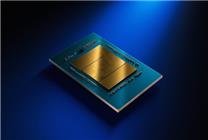

Intel’s 18A manufacturing process is now expected to be available for external customers, according to recent statements from company executives. Previously intended for Intel’s internal use, this new technology has shown promising results, with production yields improving significantly. Intel’s CEO has shifted his stance, indicating a willingness to open up this advanced process, which could impact various industry players looking for high-performance chip manufacturing.
This development is particularly important for companies involved in high-performance computing, AI, and mobile device markets. If you’re in tech or related industries, Intel’s 18A process may provide a new avenue for improving your hardware. The expectation is that this technology could be ready for customer use by next year, with major players like Apple possibly looking to utilize Intel for their next generation of processors.
In the current market, Intel’s 18A competes closely with TSMC’s 3nm process, which has been the industry standard. While TSMC is known for its established track record in chip manufacturing, the 18A technology promises significant enhancements, including a 15% increase in performance per watt and a 30% increase in chip density. Alternatives in the market include Samsung’s offerings, which also provide state-of-the-art fabrication services, but Intel’s entry into the external manufacturing space could provide competitive pricing and innovation that challenges these established giants.
For businesses considering whether to partner with Intel for manufacturing, the decisions will come down to specific needs and performance requirements. Companies focused solely on mobile applications might find better options with TSMC or Samsung, known for their specialization in that domain. Conversely, those in search of cutting-edge performance for computing tasks may find Intel’s new offerings compelling. A potential drawback is that, despite the initial promise, Intel’s reliability in external manufacturing needs to be established over time, making it a riskier choice for companies where consistent output is critical.
Source:
news.mydrivers.com