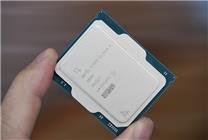

NVIDIA has officially halted the production of its H200 chips intended for the Chinese market due to ongoing U.S. export restrictions. The company’s restructuring efforts will now focus on ramping up the production of the Vera Rubin chips instead, as it no longer expects significant demand for the H200 in the near future. This decision reflects a broader trend of regulatory and market uncertainty affecting U.S.-China tech relations.
This development is significant for tech consumers considering high-performance chips, particularly those involved in AI and data processing. While the H200 might have been appealing for its expected capabilities, prospective buyers should note that its availability is now in flux. Those looking for immediate needs in AI computing may find their options limited, as NVIDIA’s alternative, the Vera Rubin, is still ramping up production and remains largely untested in the market.
In terms of market context, the H200 was positioned as a premium product for AI applications, expected to compete against alternatives from companies like AMD and Intel, which also offer powerful processors geared toward similar workloads. The Vera Rubin chips, although promising, may initially come at a more premium price point, leaving potential buyers to consider whether the performance gains justify the investment. Competitors like AMD’s EPYC and Intel’s Xeon families are solid alternatives, especially for buyers who need immediate solutions and cannot wait for uncertain product availability.
Ultimately, the decision to invest in NVIDIA’s technology now seems fraught with uncertainty. Buyers who prioritize cutting-edge AI capabilities may want to consider other vendors or wait for stable releases from NVIDIA’s upcoming offerings. Alternatively, those who need reliable performance without the risk of availability issues may find better value in established products from other manufacturers, making the H200 and its successor less than ideal options at this time.
Source:
news.mydrivers.com