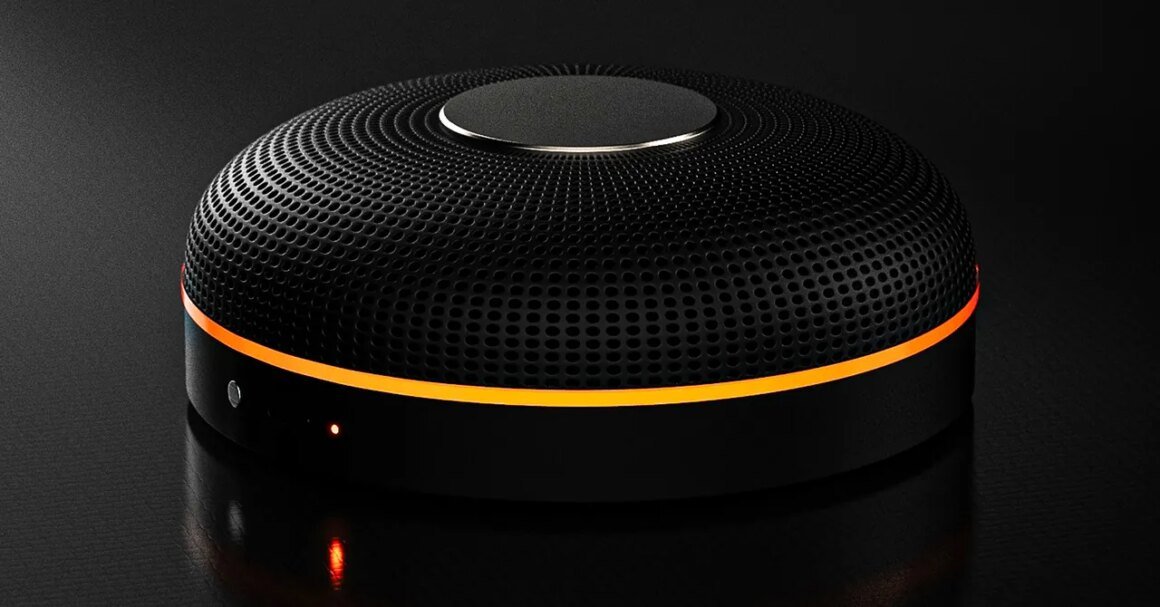

The Spectre, developed by Deveillance, claims to detect nearby microphones using radio frequency (RF) emissions, a feature that has sparked both interest and skepticism. Currently, the device is under scrutiny, with critics suggesting that its efficacy in identifying microphones is questionable, especially without the sensor being in close proximity. The device is still in development, and while it aims to become a tool for enhancing personal privacy, its practical viability remains unproven.
This technology is relevant for consumers concerned about privacy in an age where recording devices are ubiquitous. If the claims hold true, Spectre could appeal to those wary of unauthorized surveillance, such as journalists, activists, or anyone wanting peace of mind in their personal space. However, the global availability of the device remains unconfirmed, which means consumers interested in purchasing might need to wait or explore alternatives.
Market-wise, the Spectre sits in a niche category. Current offerings for privacy protection vary widely in technology and price. For instance, simple RF detectors can be found starting around $50, while advanced options utilizing nonlinear junction detection (NLJD) range from $1,500 upwards and are generally used in professional contexts. Users might consider devices like smartphone apps that claim to scan for unauthorized recordings, although their effectiveness is similarly debated. Furthermore, traditional privacy-focused options, such as soundproofing materials, could offer more immediate and tangible benefits for home or office use.
Ultimately, the Spectre could be a fitting choice for tech-savvy consumers keen on privacy as a new frontier in personal security. However, it’s essential to approach this product with caution, especially given its untested effectiveness. For those who prioritize a proven track record, conventional methods or established products may be more reliable. If you’re skeptical about the actual capabilities of Spectre, it might be wise to look elsewhere for privacy solutions until further information or evidence of effectiveness becomes available.
Source:
www.wired.com