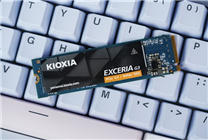

The newly launched Kioxia EXCERIA G3 PCIe 5.0 NVMe SSD is now available, offering impressive read speeds of up to 10,000MB/s. This high-performance SSD comes in 1TB and 2TB versions, with a 4TB version expected to arrive in mid-2026. Designed for a broad audience, it follows the PCIe 5.0 x4/NVMe 2.0c specifications and features a compact M.2 2280 design.
This product is significant for anyone looking to upgrade their storage solution, particularly gamers, content creators, or professionals who require rapid data access and transfer speeds. Given its performance capabilities and the increasing demand for high-speed storage, the EXCERIA G3 could enhance the efficiency of systems that rely on swift data retrieval. While Kioxia has not confirmed the exact release date for Western markets, the early availability in Asia suggests a potential global rollout.
In terms of market context, the EXCERIA G3 competes with other high-speed SSDs like the Samsung 990 Pro and the Western Digital Black SN850X, both of which are well-regarded but tend to be priced higher. The Samsung model offers great performance but comes at a price point starting around $170 for 1TB, whereas the Western Digital alternative has similar specs and characteristics. However, the EXCERIA G3 positions itself as a cost-effective option within this competitive landscape, offering performance that rivals some of the more expensive alternatives, particularly for those focused on sequential performance measurements.
For those considering whether to purchase the EXCERIA G3, it presents compelling value for everyday users and tech enthusiasts who prioritize speed without breaking the bank. However, if longevity and sustained performance under high workloads are critical to your needs, opting for a model with a DRAM cache might be a better choice. Products like the Samsung 990 Pro may offer superior endurance and consistent performance in diverse workloads, making them more suitable for heavy-duty applications.
Source:
news.mydrivers.com