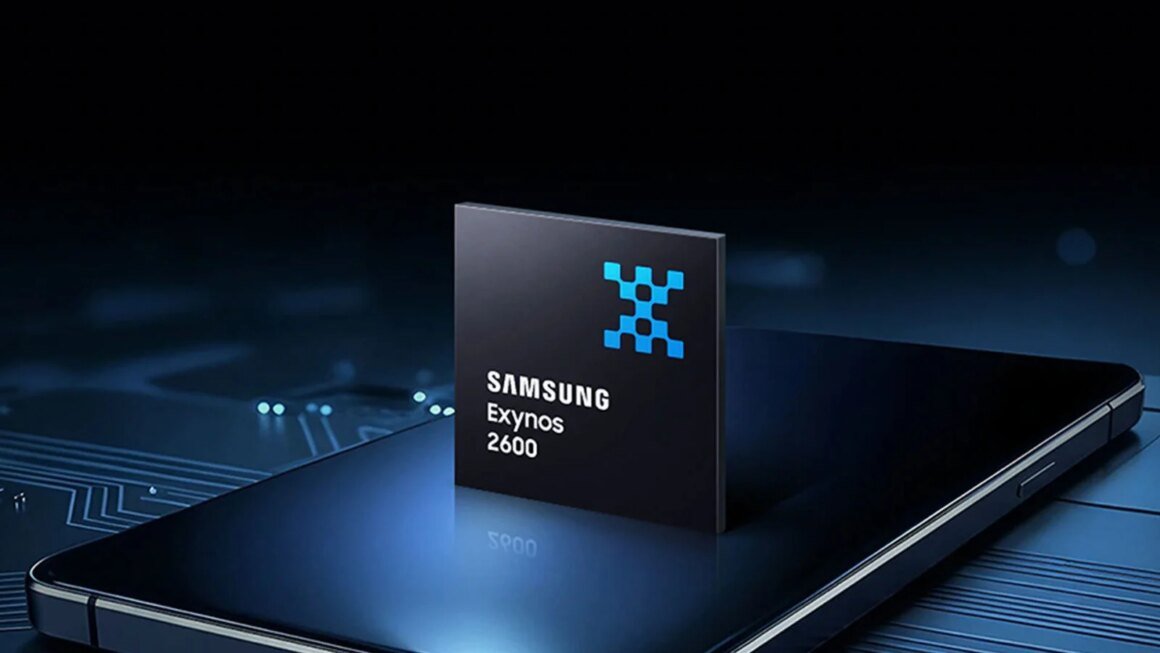

Samsung has announced plans to equip all future Galaxy devices with its own Exynos processors, starting with the Galaxy S26 lineup. The Exynos 2600 processor, launched late last year, aims to enhance performance and energy efficiency across Samsung’s smartphone offerings. Currently, the Galaxy S26 and S26 Plus will use the Exynos 2600, while the Ultra model will still feature a Qualcomm Snapdragon chip. Pricing information for the Galaxy S26 Ultra starts at about $1,800.
This shift is significant for consumers seeking high-performance smartphones. Samsung’s move to rely solely on its in-house processors means that future models may prioritize features and optimizations tailored specifically for the Galaxy ecosystem. For users who prefer the accurate performance metrics typically associated with Qualcomm chips, the transition raises important considerations about which model best suits their needs.
In terms of market context, Samsung’s new Exynos processors are designed to compete directly with Qualcomm’s offerings. Alternatives at various price points include models like the Google Pixel 7, which offers a solid user experience at a more affordable price of around $599, and the OnePlus 11, priced at approximately $699, with the Snapdragon 8 Gen 2. Both options deliver excellent performance, making them worthy competitors depending on user preference for either software experience or hardware specifications.
Potential buyers of the Galaxy S26 series should consider their performance expectations. Those looking for a smartphone from the Galaxy family with a more established track record in the US market might prefer the Snapdragon version. Additionally, for budget-conscious consumers, the Google Pixel 7 or OnePlus 11 may provide well-balanced features without the higher price tag of Samsung’s latest offerings. Thus, while Samsung’s new strategy could enhance user experience within its ecosystem, it may not align well with every buyer’s needs.
Source:
www.01net.com