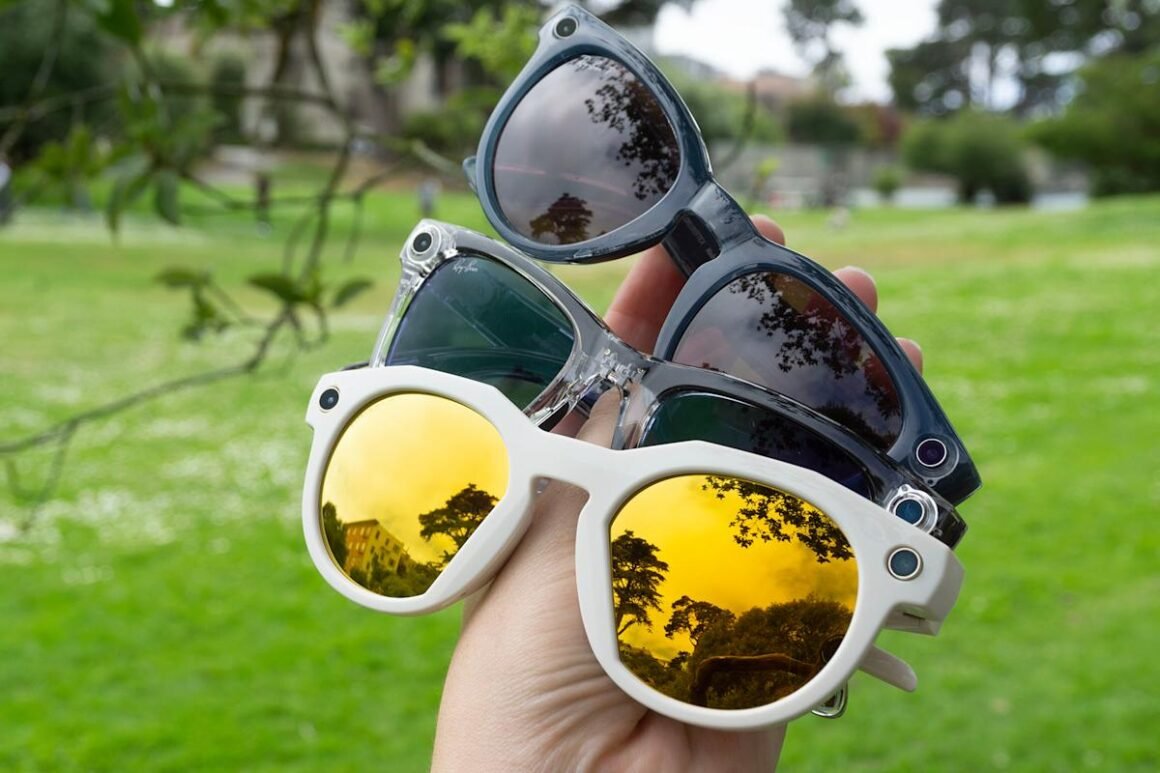

Meta is facing a class action lawsuit regarding its Ray-Ban Meta smart glasses, primarily for alleged false advertising related to privacy claims. The lawsuit highlights concerns over the company’s use of human contractors in reviewing footage captured by the glasses, which has raised significant questions about user privacy. This legal action could impact users’ trust and decisions around purchases of these smart glasses, especially in light of reported intimate materials that contractors have accessed while analyzing videos.
This lawsuit is particularly pertinent for consumers considering smart eyewear, especially those who value privacy features. The raised allegations could influence potential buyers by emphasizing the risks associated with using the Ray-Ban Meta glasses. If privacy is a cornerstone of what you seek in tech devices, this lawsuit could lead to a reconsideration of the glasses, fundamentally affecting purchase decisions for individuals focused on security and confidentiality.
In the smart glasses market, the Ray-Ban Meta glasses sit within a competitive landscape that also includes options like the Bose Frames and Snapchat Spectacles, priced generally between $200 and $400. While the Ray-Ban smart glasses feature advanced AI functions, concerns surrounding privacy breaches and the nature of data handling may overshadow their technical specifications. Alternatives like the Bose Frames offer a more traditional audio experience and might appeal to users seeking less intrusive technology, while Snapchat’s offering integrates social features without the same level of AI functionality. Each product presents its own merits depending on user priorities.
Ultimately, potential buyers of Ray-Ban Meta smart glasses should weigh the benefits of hands-free AI capabilities against the risks of violating privacy. If your primary concern is the security of your personal moments and data, it might be prudent to consider alternative smart eyewear options that place a stronger emphasis on user privacy. The lawsuit itself serves as a critical reminder to closely examine how data is managed when choosing tech products, adding an essential layer of scrutiny to your buying journey.
Source:
www.engadget.com