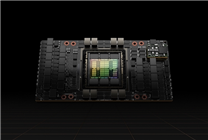

NVIDIA has recently halted the production of its H200 chip, initially aimed at the Chinese market, due to a lack of demand. This decision comes on the heels of reports indicating that manufacturers of critical components for the H200, such as printed circuit boards, have also suspended production due to unfulfilled orders. Originally, NVIDIA had high hopes for the H200, powered by advanced Hopper architecture, promising significant performance benefits over its predecessor.
This development is particularly relevant for tech enthusiasts and businesses considering investments in powerful AI chips. While the H200 was expected to drive significant sales, the cancellation of its production suggests that Nvidia may need to pivot its strategy. For those looking to purchase high-performance computing products, the halt may influence their decision-making, especially if they had their sights set on NVIDIA’s offerings. It raises questions about the availability and suitability of alternatives for various computing needs.
In terms of market positioning, the H200 promised 141GB of HBM3e memory and an impressive bandwidth of 4.8TB/s, theoretically exceeding performance metrics of previously available options. Yet, buyers may want to explore alternatives like AMD’s MI series or other NVIDIA models that remain available. These alternatives might offer compelling features at a range of price points, allowing buyers to weigh options based on their specific computational needs without feeling constrained by the absence of the H200.
For those with specific requirements—like enhanced AI performance—the H200 could have been ideal; however, its discontinuation means prospective buyers may need to reevaluate their options. If you’re in this boat, consider alternatives that can meet your needs without the uncertainties that cloud the current NVIDIA offerings. Notably, users with a tighter budget might prefer mid-range GPUs that still provide substantial capabilities for machine learning or gaming, avoiding the premium tier products that are now less certain in terms of future support and availability.
Source:
news.mydrivers.com