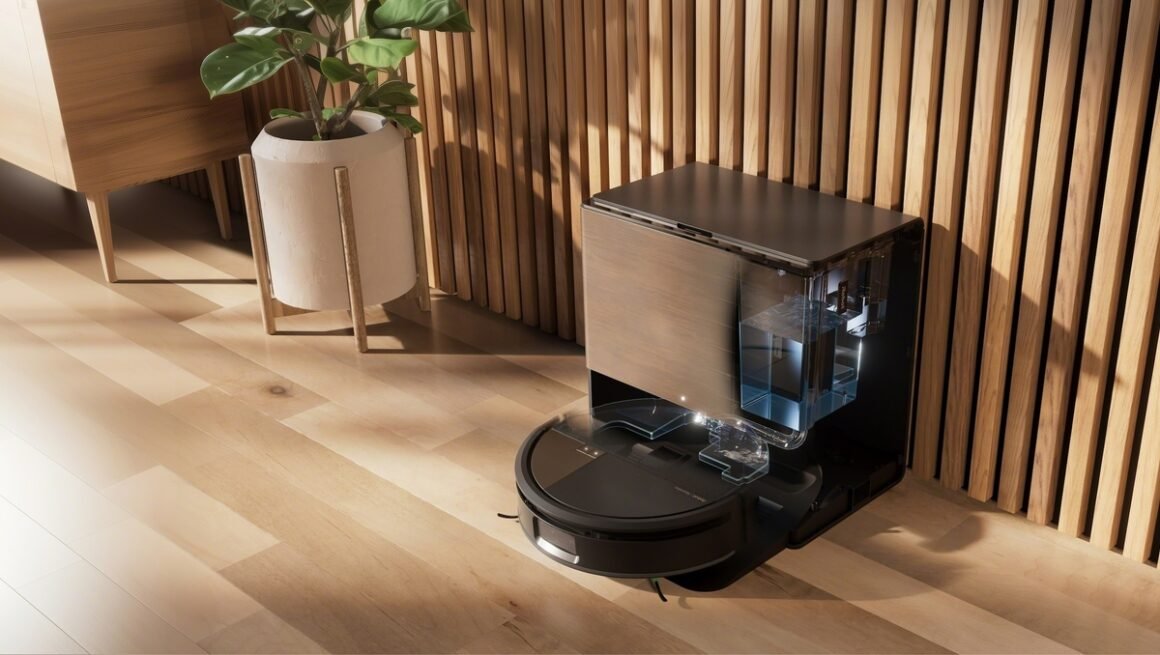

The recent acquisition of iRobot by Picea, a prominent Chinese manufacturer, marks a significant shift in the robot vacuum sector. As of January 2026, Picea has fully taken over iRobot, a move that consolidates both design and manufacturing processes within one entity, potentially streamlining product development. This merger promises shorter product cycles and a more integrated approach to innovation for iRobot’s range of robot vacuums, which have historically been competitive yet somewhat sluggish in adopting new technologies.
This development is especially relevant for consumers in the market for robot vacuums, as the integration could lead to more frequent technological updates and potentially better pricing strategies. With competitive alternatives available, it will be crucial for iRobot to enhance its offerings, meeting or exceeding the features of rival brands in a relatively saturated market. This situation becomes pertinent for users looking to invest in a new robot vacuum, especially as current models are poised to evolve rapidly in response to consumer needs.
When considering the broader market, iRobot’s models, such as the Roomba Max 705 and earlier series like the 405 and 505, are well regarded for their advanced features, including LiDAR navigation and AI-enabled obstacle detection. However, they have faced tough competition from brands like Roborock and Ecovacs, which offer similar functionalities at various price points (often between $300 and $650). For example, the Roborock S7, priced around $600, combines vacuuming and mopping functions effectively, making it a noteworthy counterpart. Thus, iRobot will need to ensure that its pricing remains competitive while offering distinctive features that resonate with consumers.
The buying verdict is nuanced: those who value established brands and reliable performance may find the iRobot vacuums appealing, particularly with the promised innovations from the recent merger. However, budget-conscious shoppers or first-time buyers might consider exploring alternatives that provide similar capabilities at lower price points. It’s essential to weigh brand loyalty against the potential advantages of newer, innovative brands in the same arena. For some, the challenge will be navigating this transition in the market and determining whether iRobot can maintain its innovative edge after this merger.
Source:
www.lesnumeriques.com