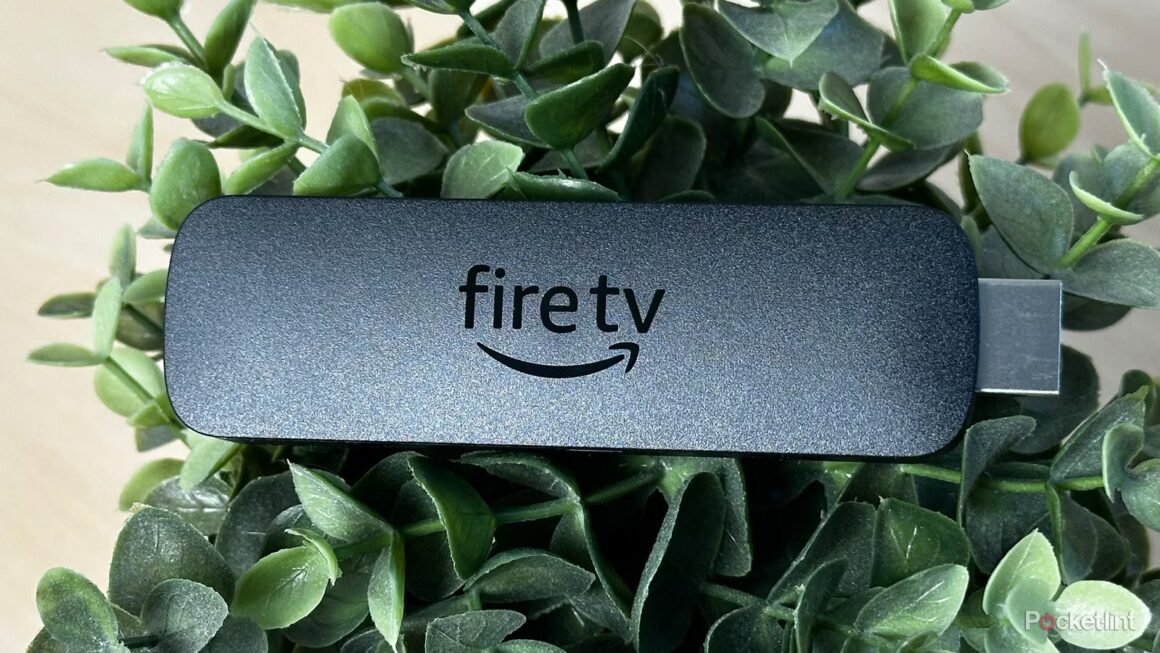

The Amazon Fire TV Stick offers a versatile streaming option for those looking to access content directly through their television. However, potential buyers should know it requires an internet connection for most functionalities. Features such as streaming apps, Alexa voice controls, and even the home interface depend on being online. Without internet, the functionality of the device significantly diminishes, leaving users with limited offline capabilities.
This is especially relevant now as many consumers are re-evaluating their viewing habits and privacy concerns. Some prefer traditional viewing methods or “dumb” TVs to avoid invasive advertising and monitoring. For those considering the Fire TV Stick, it’s crucial to assess whether streaming services like Netflix or Disney+—which do not function without internet—are integral to their viewing experience. Furthermore, with various Fire TV Stick models available at prices ranging from $30 to $50, the appeal comes from access to countless streaming apps when connected, but the reliance on internet connectivity could dissuade those interested in simpler, more privacy-focused solutions.
In the current market, alternatives exist that suit different user needs. For instance, basic Chromecast devices offer a lower-cost option for those primarily mirroring content from smartphones or tablets. At the same time, premium options like the Apple TV 4K provide robust streaming capabilities with a more refined interface and additional features, albeit at a higher price point. Understanding where the Fire TV Stick sits in this spectrum helps consumers recognize what suits them best without overspending.
Potential buyers of the Fire TV Stick should consider if they often stream content or prefer a straightforward viewing experience. The device is ideal for individuals who rely heavily on streaming and want an easy way to access multiple apps. However, those who seek privacy, minimal advertising, or only local broadcasts might find more satisfaction in conventional television setups or simpler streaming devices. Ultimately, the decision hinges on individual viewing habits and the degree of internet reliance one is comfortable accepting.
Source:
www.pocket-lint.com