
The global memory chip market is experiencing a notable supply shortage, with projections indicating that this tight situation may persist until at least 2028. Nanya Technology, the fourth-largest memory supplier, has reported impressive financial results amidst skyrocketing memory prices. The company’s chief executive has forecasted a limited increase in global production capacity, leading to ongoing challenges in meeting demand.
This development is particularly relevant for those looking to buy or upgrade devices that rely on memory, such as gaming laptops, smartphones, or smart home devices. With major players like Samsung, SK Hynix, and Micron controlling approximately 90-95% of the market, consumers may face higher prices and limited availability for products using DRAM and other memory types. If you’re considering a new purchase, the current climate could significantly influence your options and costs.
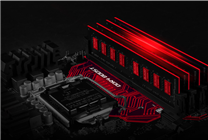
While Nanya Technology offers competitive pricing on its lower-end products, the overall memory landscape remains complex. High Bandwidth Memory (HBM) is gaining traction, further straining supply as it utilizes 2-2.5 times the capacity of standard memory types. This is noteworthy for consumers interested in high-performance devices, as HBM demand is expected to consume a significant portion of the available supply. Potential alternatives include mainstream DDR4 or DDR5 options from other brands, available at various price points, but these too are likely reflecting the overall supply constraints.
For tech enthusiasts or professionals who require robust memory options, it’s essential to be informed about the current market dynamics. While Nanya provides an affordable entry point, it may not meet the specific performance needs for high-end applications. Conversely, opting for a premium brand may offer better reliability and performance, albeit at a higher cost. Ultimately, if budget constraints are a concern, or if you’re not seeking the latest specifications, then considering a reasonably priced option from less constrained suppliers may be a more prudent choice.
Source:
news.mydrivers.com