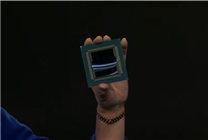

AMD’s latest Venice processors, built on the advanced 2nm Zen 6 architecture, have generated significant demand in the CPU market. These chips feature impressive specifications, including a core capability of up to 256 cores and 512 threads, thanks to a new design that doubles the core density of AMD’s previous generation. Along with 1GB of L3 cache, these processors are tailored for high-performance tasks, particularly in AI inference applications.
This development is particularly relevant for enterprise buyers and tech professionals seeking high-efficiency CPUs for demanding workloads. With both AMD and Intel currently facing supply constraints due to surging market demand, prospective buyers in data-intensive roles should be aware that obtaining these processors may take time. The Venice line stands to benefit sectors requiring robust processing power, such as data centers and AI applications, making it a key consideration for businesses prioritizing performance in their operations.
In terms of market position, AMD’s Venice processors will likely compete closely with Intel’s latest offerings. While specific prices have yet to be confirmed, advanced CPUs generally fall within the $2,000 to $4,000 range for high-performance models. As a potential alternative, Intel’s Sapphire Rapids architecture presents another viable option that, while currently battling supply issues, may offer comparable performance in certain applications. Businesses should weigh the strengths of each brand’s offerings against their specific computing needs, including budget considerations and project timelines.
Ultimately, AMD’s Venice processors are an attractive option for enterprises looking to maximize processing capability without sacrificing efficiency. However, those primarily focused on gaming, or in need of more affordable alternatives, might find other offerings more aligned with their requirements. Evaluating your workload and computing demands is essential before making a purchasing decision, especially given the potential wait times for high-end components.
Source:
news.mydrivers.com