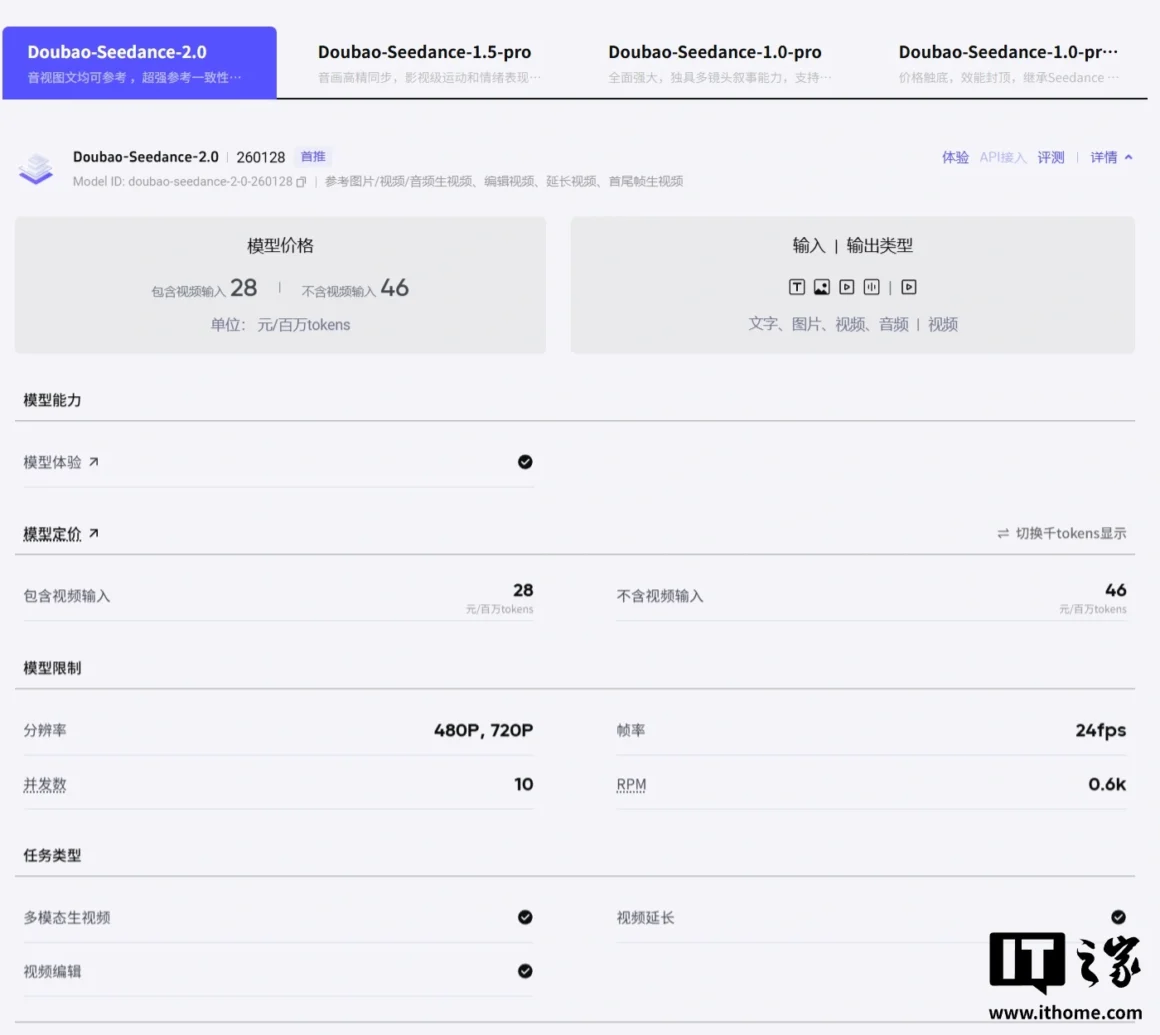

ByteDance’s latest video generation model, Seedance 2.0, has been released with pricing set at approximately $4.00 per million tokens for video editing tasks that include video input, and about $6.50 for pure video generation tasks. This new model stands out for its capability to produce videos based on various media inputs, like images and audio, enhancing the creative process.
This development is particularly relevant for content creators who rely heavily on video generation technologies. As video content continues to dominate digital landscapes, tools like Seedance 2.0 could provide significant time and cost savings. However, as it currently does not support API access, users seeking integration with existing workflows may find it limiting. The model’s unique offering might appeal to businesses that prioritize video editing but aren’t reliant on automated outputs, making it less appealing for all creators, especially those needing immediate integration with other tools.
In terms of market context, Seedance 2.0 sits within a competitive landscape that includes services like OpenAI’s DALL-E for image generation and platforms like Adobe Premiere for video editing. Pricing varies widely, with simpler tools like Lumen5 offering basic video creation services starting around $19 per month, while more comprehensive solutions can reach several hundred dollars monthly. Each of these options serves different segments of users—Lumen5 for beginners needing straightforward video tools, while more established services like Adobe cater to professionals demanding extensive editing functionalities.
Considering who might benefit from Seedance 2.0, it is suitable for businesses focused on creating multimedia content without a need for rapid scalability or API support. However, casual users or those requiring seamless connectivity with existing video production tools might find better value in alternatives that offer integration features alongside competitive pricing. For instance, those who just need straightforward video editing capabilities may prefer platforms like Canva, which provides user-friendly interfaces comparatively at lower costs but with less advanced video generation abilities.
Source:
www.ithome.com