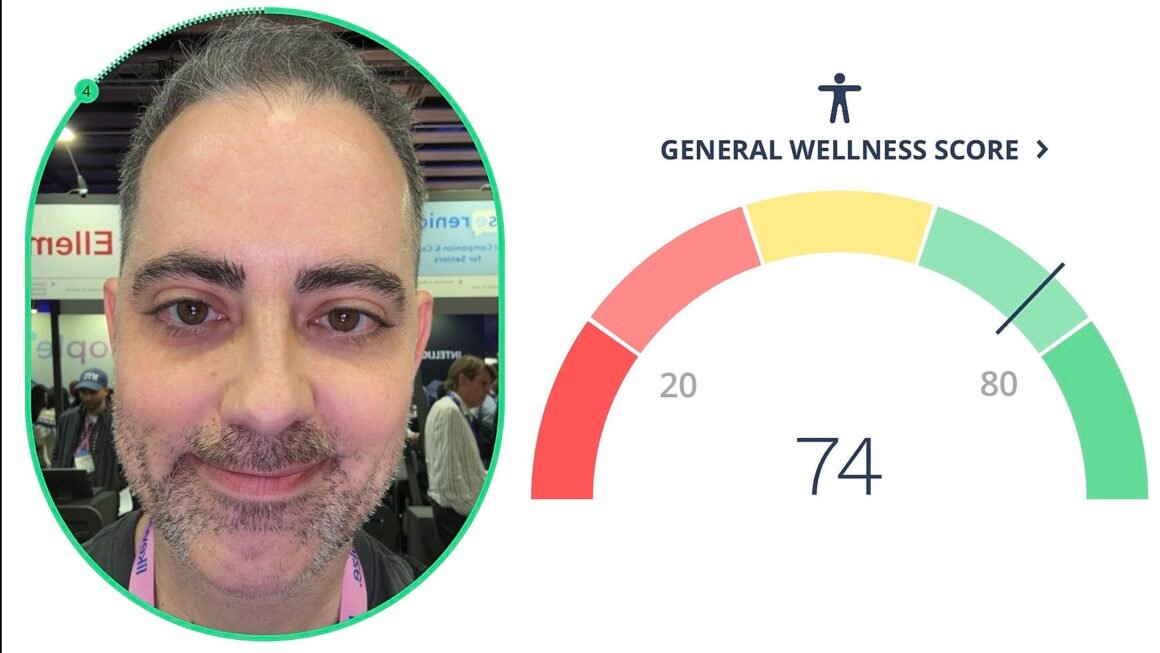

Nuralogix has introduced the Anura app, a smartphone application designed to provide health monitoring capabilities similar to its Longevity Mirror, which is priced at $899. Unlike the mirror, which requires a physical setup, the Anura app leverages your smartphone’s camera to analyze your wellness through facial scans, using a method called Transdermal Optical Imaging. The app is subscription-based but offers a more accessible way to monitor your health at a lower entry cost, as users will only need to cover the annual subscription fee.
This development matters particularly for individuals seeking a cost-effective means of personal health monitoring. With health awareness on the rise globally, the Anura app allows everyday users to gain insights into their vitals, mental well-being, and metabolic risks simply by scanning their faces for 30 seconds. The app provides an easy alternative for those who may have found the Longevity Mirror’s price prohibitive but still want detailed health data without the need for elaborate equipment.
In terms of market context, products like the Fitbit Charge 5 and the Apple Watch Series 7 provide different, but somewhat comparable health tracking. The Fitbit starts around $150, offering fitness tracking and heart rate monitoring, while the Apple Watch adds additional capabilities such as ECG monitoring at a higher price point. These alternatives cater to different buyer segments: those focused on general fitness may prefer the Fitbit, while those wanting comprehensive health features might opt for the Apple Watch. The Anura app’s model stands apart as it focuses on specific wellness insights through facial recognition without requiring wearable technology.
The Anura app is a viable option for consumers interested in continuous health monitoring without the constraints of high initial investments. It suits tech-savvy users who prioritize convenience and affordability. However, those who prefer the immediate feedback and versatility of wearable devices, or who are less comfortable using apps for health tracking, may want to explore other options. Ultimately, your choice would depend on how you fit into the health monitoring landscape and your specific needs for comprehensive health insights.
Source:
www.tomsguide.com