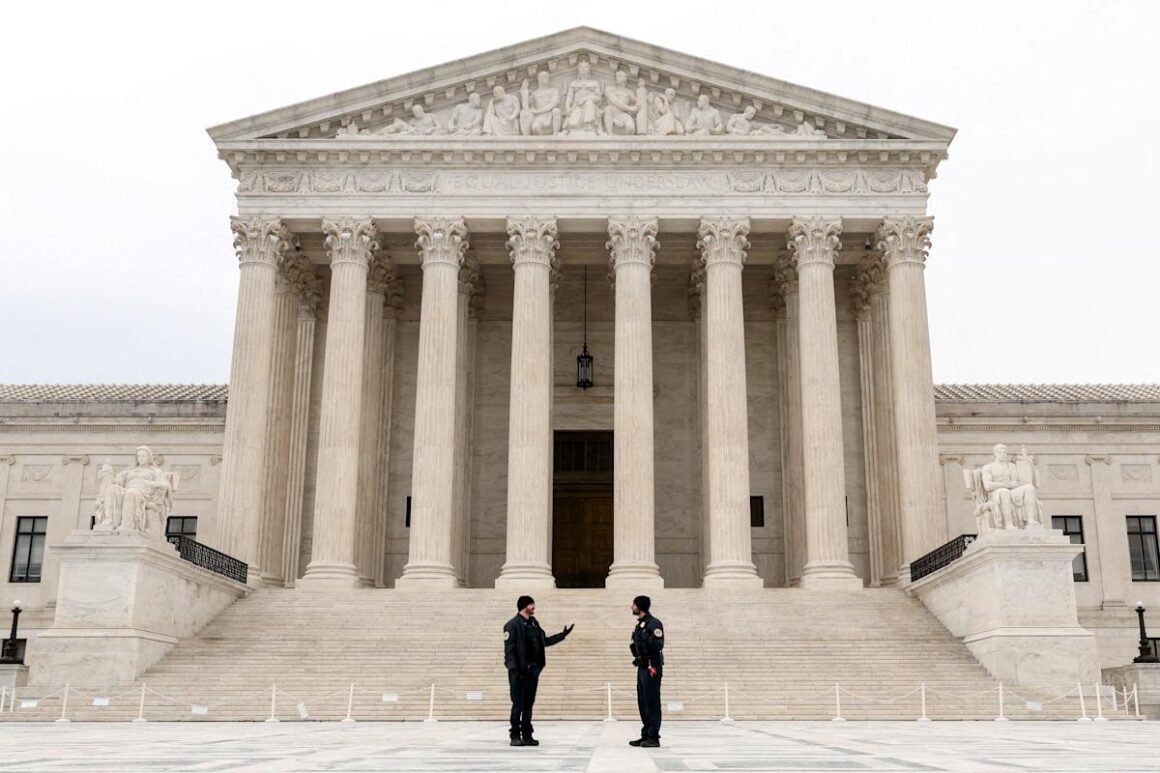

The recent decision by the US Supreme Court to decline hearing a case regarding the copyright of AI-generated artwork means that such creations will not be afforded copyright protection. This follows the case of Stephen Thaler, who sought copyright for his artwork, A Recent Entrance to Paradise. His application was rejected by the US Copyright Office, a ruling upheld by lower courts, emphasizing that creations made solely by AI cannot be considered under existing copyright laws.
This development is significant for those in the creative industry, particularly artists, designers, and anyone engaged in content creation. For creators using AI tools in their workflows, this ruling raises important questions about the ownership and rights associated with AI-generated works. Even for consumers considering AI art applications and tools, this ruling could impact marketing, usage rights, and future innovations in creative tech.
In a market rich with various art creation tools, the lack of copyright protection for AI-generated works could dissuade some from investing time and resources into these platforms. Alternatives for graphic and design software include Adobe Creative Cloud at around $52 per month, which offers industry-standard tools but lacks AI capabilities. For budget-friendly options, Canva provides templates and design tools for approximately $12.99 per month but may not have advanced AI features. Those seeking to explore AI art generators might find platforms like NightCafe or DeepArt, which are often free or low-cost, but should be aware of the implications this ruling presents.
Ultimately, this situation prompts a reconsideration of how artists and consumers engage with AI-generated content. Those heavily invested in traditional art may find the lack of copyright protection unappealing, leading them to consider alternatives that emphasize human authorship. Conversely, tech enthusiasts and those eager to leverage new tools may choose to adopt AI solutions despite the legal challenges, weighing the creative potential against the uncertainty surrounding ownership and rights.
Source:
www.engadget.com