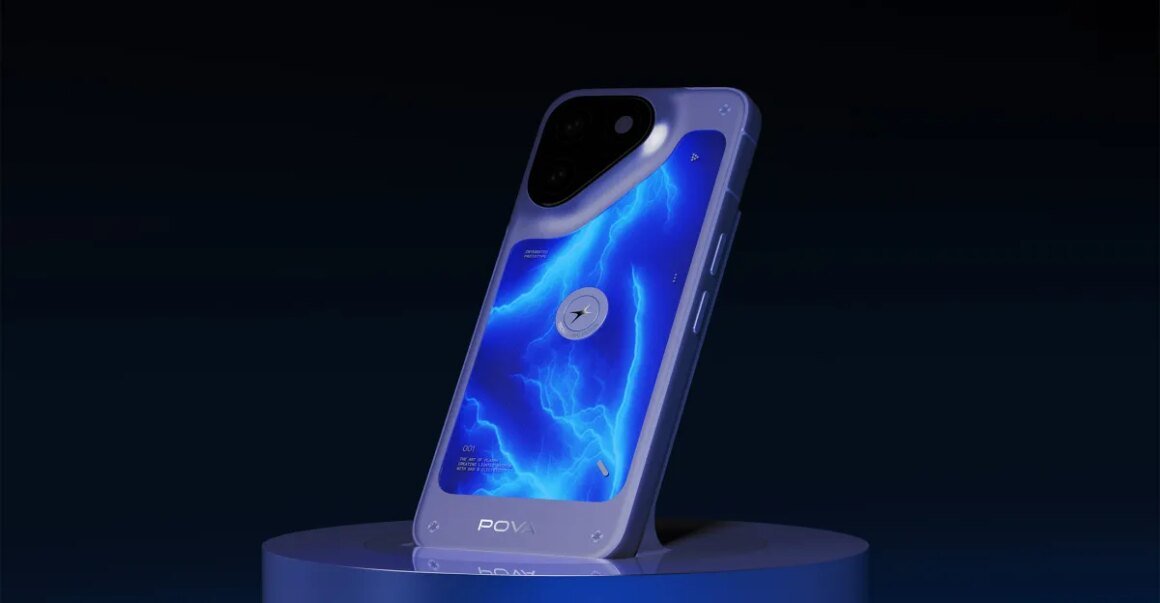

Tecno has unveiled two intriguing smartphone designs focused on color-changing finishes: the Pova Neon featuring neon lighting technology and a model utilizing AI E Ink for dynamic color changes. While specifics regarding pricing and availability remain uncertain, these concepts are designed to draw attention in the smartphone market.
This development is particularly interesting for tech enthusiasts and trendsetters looking for unique features that differentiate their devices. The Pova Neon incorporates genuine neon lighting using ionized inert gas technology, while the AI E Ink model allows users to change their phone’s color instantly, even matching their outfit with a quick photo. These features may attract buyers who prioritize personalization and aesthetics in their smartphones.
In the current market, color-changing capabilities can be found in options like the Mood Ring phone or the rear glass panels of other high-end models. However, these alternatives typically rely on basic color shifts or backlit designs rather than true dynamic color changes. Price-wise, it’s hard to place these new Tecno models currently, as the market options range widely—from budget phones under $200 with basic personalization features to premium devices upwards of $1,000 with innovative materials and screens. Without clear pricing for Tecno’s new designs, consumers may find it challenging to gauge where these models fit in the spectrum.
The Tecno Pova Neon and AI E Ink designs could appeal to users seeking a unique aesthetic and innovative technology in their smartphones. However, those who prioritize functionality and performance might want to explore established brands with proven track records. For example, if reliable performance combined with features like excellent camera quality is essential, users might prefer options from brands like Samsung or Apple. In essence, while Tecno’s designs promise intriguing possibilities, they may not meet the needs of everyone, particularly if market availability is limited or if users are focused on traditional specifications over innovative styles.
Source:
www.theverge.com