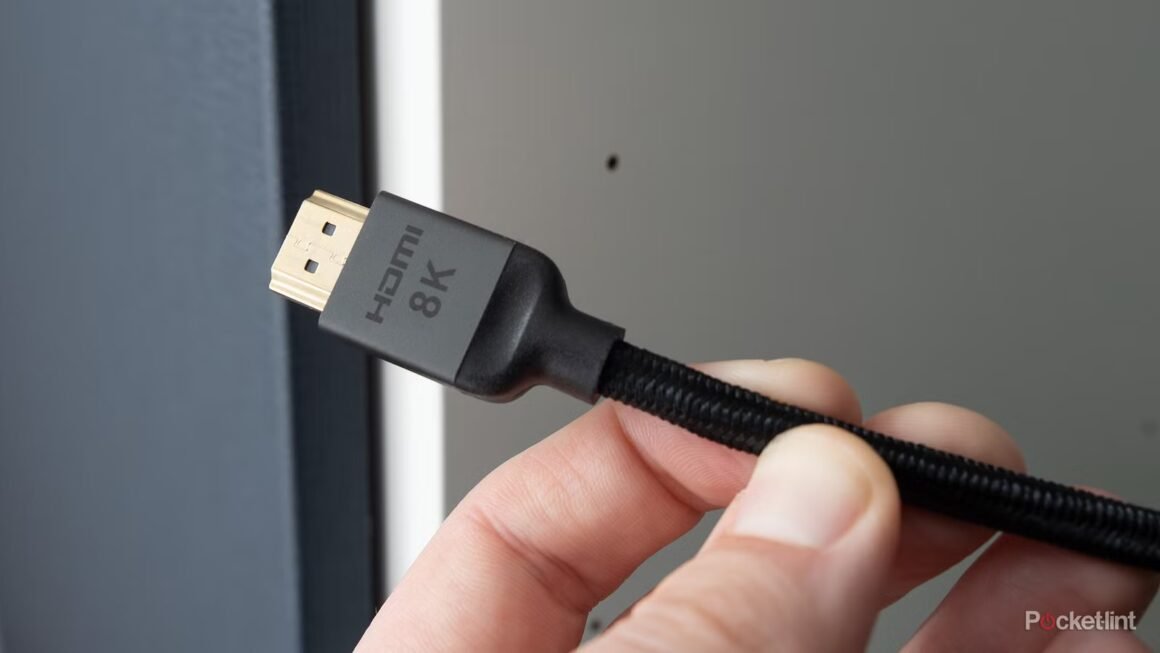

For PC gamers, the ongoing debate between HDMI and DisplayPort often influences their setup choices. While both formats have their advantages, HDMI frequently emerges as the more accessible option, particularly for those who also engage with consoles. Notably, HDMI supports features like Dolby Vision and HDMI-CEC, enhancing both visual and audio experiences.
This discussion is crucial for those in the market for new gaming peripherals or entertainment systems. HDMI’s widespread adoption means that most TVs and gaming consoles natively support it, making it a reliable choice for seamless connectivity. For individuals using consoles such as the PS5 or Xbox Series X, HDMI is likely the only option, especially when considering the incorporation of Dolby Vision for HDR gaming. Understanding these factors can significantly impact your purchase decisions, guiding you toward more compatible devices.
When evaluating the differences between the two, HDMI cables generally offer better pricing and availability. For example, a 30-foot HDMI cable can be found for around $15, while equivalent DisplayPort cables often start at double that price. While DisplayPort is recognized for its advantages in high-refresh-rate gaming within PC environments, it lacks the same level of support across televisions and home entertainment systems. Therefore, if you’re gaming primarily on a PC with dedicated monitors, DisplayPort may appeal to you. However, for mixed-use, HDMI remains a strong contender.
Ultimately, your choice should depend on your specific needs. If you primarily game on a PC and require top-tier specifications for competitive gaming, then considering DisplayPort may be worthwhile. However, if your setup includes a mix of devices, especially TVs and game consoles, HDMI is the safer bet due to its compatibility and additional features. A valid reason to reconsider is if you are focused solely on high-refresh-rate gaming where DisplayPort shines—many dedicated monitors fully support this format.
Source:
www.pocket-lint.com