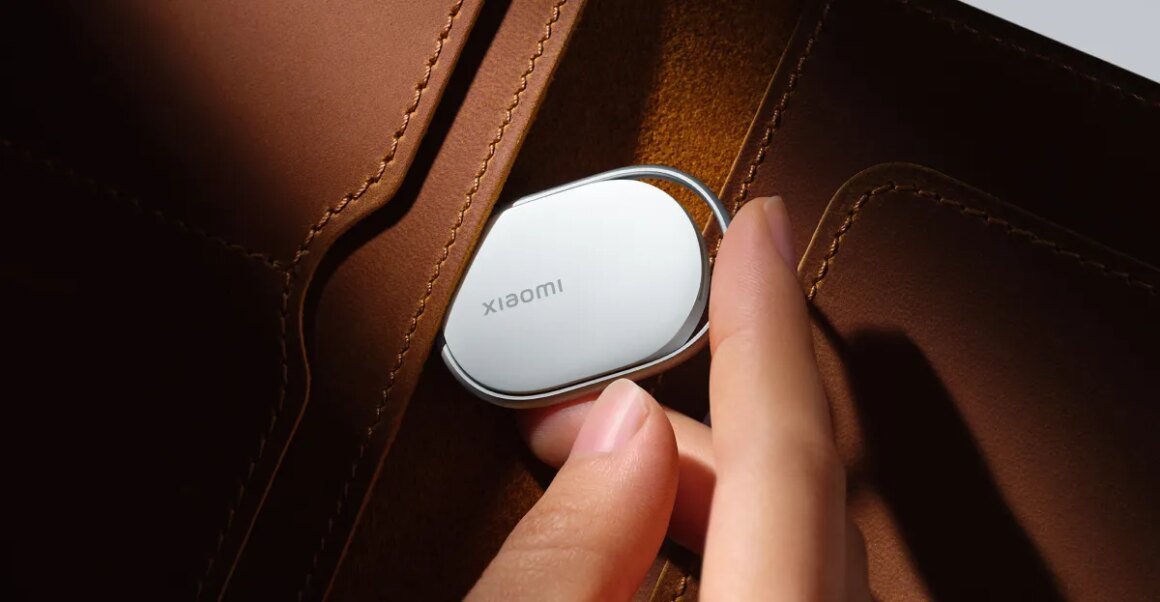

The Xiaomi Tag, the company’s first Bluetooth tracker, is now available in the market. With a price tag of approximately $18 each, or $61 for a four-pack, it features an elongated design fitted with a metal loop for easy attachment to keyrings or carabiners. This tracker works with either Apple’s Find My network or Google’s Find Hub, but not both simultaneously, requiring users to choose one during setup.
This development is noteworthy for those looking for affordable alternatives to existing Bluetooth trackers, particularly among users of Apple or Android devices. The Xiaomi Tag’s compatibility with both ecosystems broadens its appeal, allowing users to choose their preferred tracking platform. Its pricing undercuts popular options like Apple’s AirTag, making it a viable choice for budget-conscious consumers who still want reliable tracking capabilities.
When comparing the Xiaomi Tag to other trackers, it offers a more cost-effective solution, especially when considering its basic features. Apple’s AirTag, priced at $29 each, has the benefit of ultra-wideband (UWB) technology for precise location tracking, which the Xiaomi Tag lacks. However, for users who prioritize price over pinpoint accuracy, the Xiaomi Tag can still serve well, especially with its IP67 dust and water resistance and NFC capabilities for sharing contact details if lost. Other alternatives in the market include Tile, which offers a range of options from $25 to $35, providing features like community-find and longer battery life but at a premium price.
The Xiaomi Tag may be a suitable choice for those needing a straightforward, budget-friendly tracker without the need for advanced location technologies. However, users who frequently rely on precision tracking may find the absence of UWB functionality a disadvantage. Additionally, those already integrated within a specific ecosystem—like Apple—may prefer to stick with devices designed to maximize their existing systems, such as the AirTag.
Source:
www.theverge.com