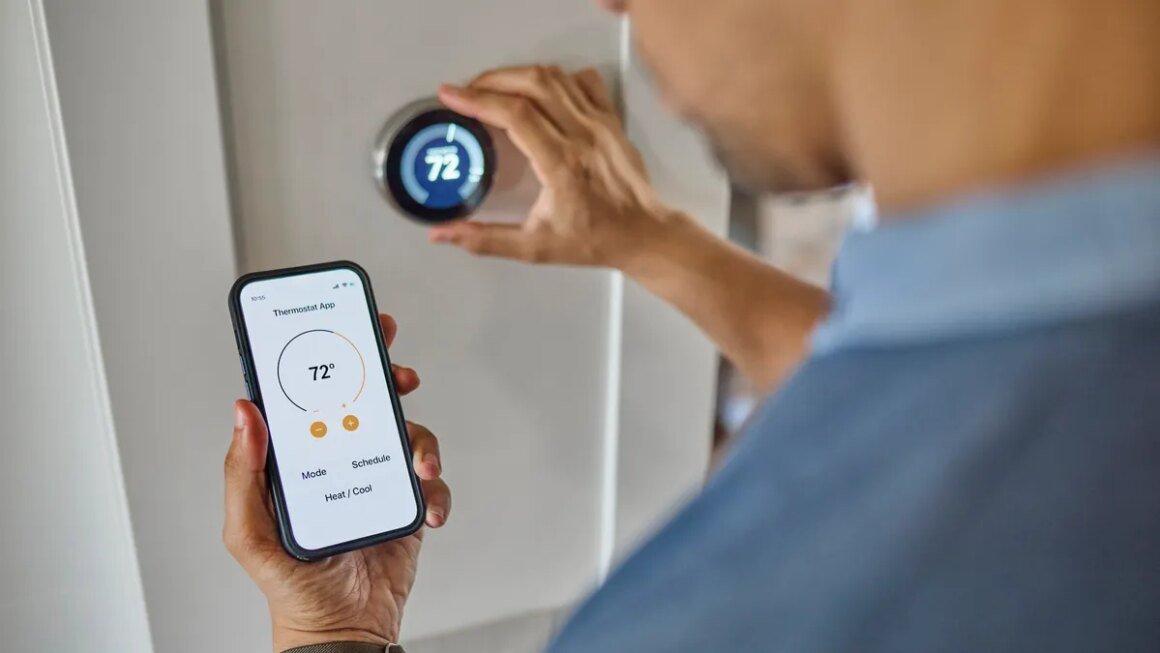

Smart thermostats are becoming increasingly popular as more consumers look for ways to control their home heating and cooling efficiently. These devices offer various features, including app control, geofencing, and integration with other smart home systems. As smart home technology continues to evolve, the choice of which thermostat to buy can be daunting.
This is particularly relevant as many homeowners seek energy-efficient solutions in light of rising energy costs. Smart thermostats are not only designed to enhance home comfort but also to reduce energy consumption. Access to mobile apps from anywhere allows homeowners to adjust settings before they arrive home, making this product valuable for today’s tech-savvy consumers who want convenience and control over their environments.
In terms of market positioning, smart thermostats vary significantly in price and functionality. Budget options, such as basic Wi-Fi-enabled programmable models, can range around $70 to $100. Mid-range options, featuring more comprehensive smart capabilities, typically fall between $150 and $250. Top-tier models often come packed with advanced features like external sensors and superior geofencing capabilities, priced above $250. Alternatives include devices from brands like Honeywell and Ecobee, which offer solid performance and features, but may differ in specific integration capabilities depending on your existing smart home ecosystem.
Buying a smart thermostat should be based on both your needs and the existing smart devices in your home. Those heavily invested in a particular ecosystem, such as Apple’s HomeKit or Amazon’s Alexa, should choose a thermostat that fits well within that framework. However, if you prefer complete manual control without the potential frustrations of oversmarting, a simpler, programmable option might be more suitable. Ultimately, while smart thermostats offer many benefits, there are simpler, more budget-friendly alternatives if you want straightforward temperature management without added complexities or dependencies on smart devices.
Source:
www.cnet.com