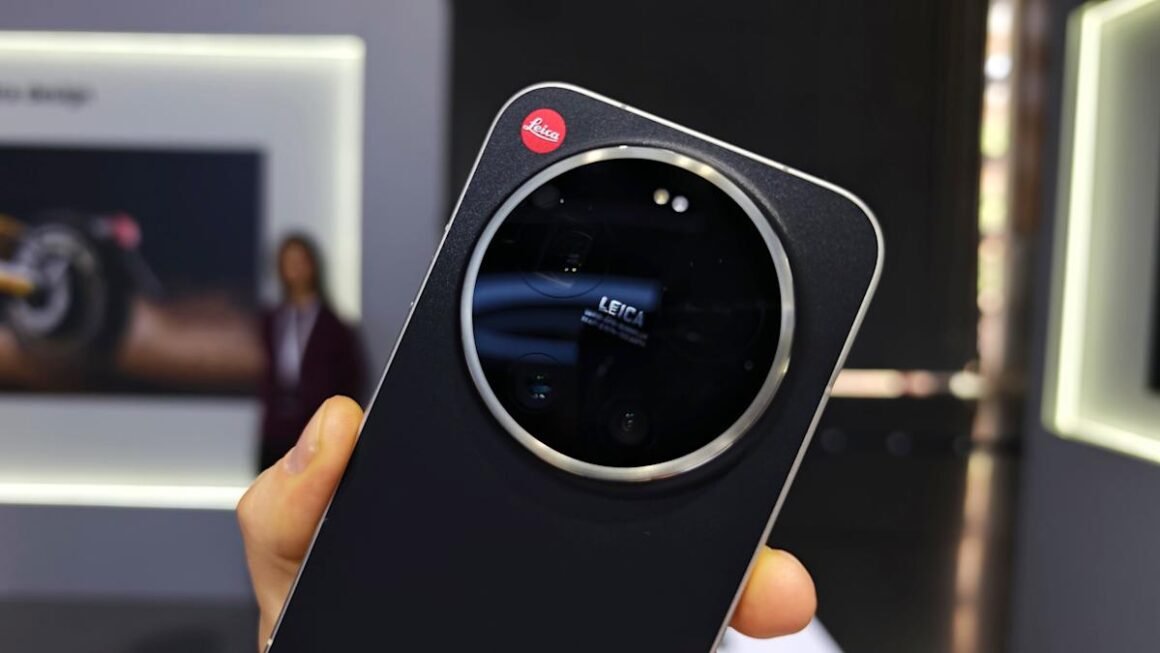

Xiaomi has launched the Leitzphone, priced at approximately $2,362, in collaboration with Leica. This device aims to enhance the smartphone photography experience by integrating features familiar to Leica users, including a mechanical ring dial for controlling camera settings. The Leitzphone also offers Leica-designed camera interface options, including a minimalist Essential mode and a monochrome shooting mode.
This phone represents an intriguing option for photography enthusiasts and those loyal to Leica’s brand. However, details about its availability in Western markets remain unclear, meaning potential buyers should verify accessibility in their regions. The focus is on delivering high-quality camera functionality, which could influence purchasing decisions among individuals prioritizing photography capabilities in their smartphones.
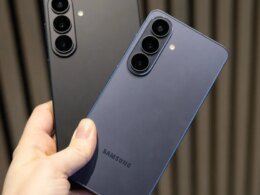
In terms of competition, the Leitzphone faces a range of alternatives across various price points. The regular Xiaomi 17 Ultra, which shares many specifications, including a Snapdragon 8 Elite Gen 5 chip and a remarkable 6.9-inch display, is priced lower than the Leitzphone. Additionally, options like the Samsung Galaxy S23 Ultra and Google Pixel 7 Pro, both known for their camera performance, present compelling choices with a broad ecosystem of accessories and established brand recognition. A decision should consider not just the treatment of photography but also the overall smartphone experience each alternative provides.
The Leitzphone might be best suited for dedicated Leica fans and photography aficionados who value its brand integration and unique camera functionalities. However, those seeking a comprehensive smartphone experience, including better software support or varied ecosystem options, may find better value with alternatives like the Samsung Galaxy S23 Ultra. Moreover, if high-quality photography isn’t the primary focus for a buyer, they could save significantly by opting for a more affordably priced model without compromising too much on camera performance.
Source:
www.engadget.com