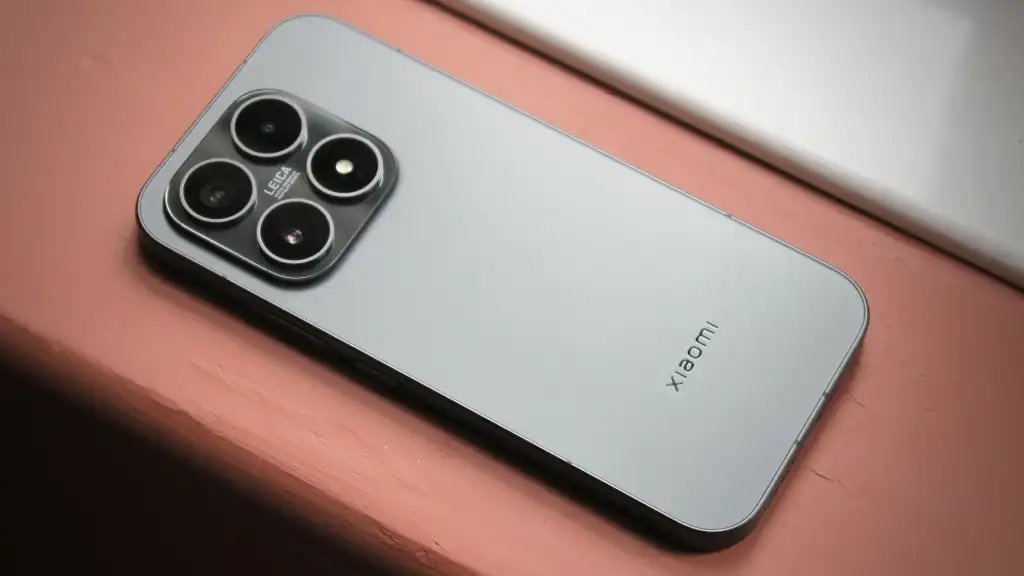

The Xiaomi 17 has entered the smartphone market as a compact flagship, boasting a 6.3-inch LTPO AMOLED display, Qualcomm Snapdragon 8 Elite Gen 5 chipset, and a 6330mAh battery. Priced at around $1,099, it is aimed at consumers looking for high-end specifications in a smaller form factor.
This model is particularly relevant for those seeking a powerful smartphone with a manageable size, as large-screen devices dominate the current landscape. The Xiaomi 17’s launch globally makes it a viable option for consumers requiring solid performance without the bulk, such as professionals who prioritize portability or users who dislike larger devices but still need flagship capabilities.
Price-wise, the Xiaomi 17 stands in a competitive arena. Alternatives such as the Samsung Galaxy S26 and the iPhone 17 Pro offer different strengths. The Galaxy S26 is known for its user experience and software support but is generally larger and may compromise on battery life. The iPhone 17 Pro offers superb video capabilities and longevity in software updates, making it attractive for users heavily invested in the Apple ecosystem and seeking a well-rounded phone, albeit at a higher price point for lower storage. In contrast, the Xiaomi 17 provides significant battery capacity and features like ultra-fast 100W wired charging, making it an appealing option for users who value charging speed and battery longevity along with performance.
Ultimately, the Xiaomi 17 should attract buyers seeking compactness without sacrificing power. However, those who prioritize extensive software support or exceptional video recording capabilities might find better alternatives in the Galaxy S26 or iPhone 17 Pro. If a robust telephoto camera is essential, potential buyers may want to consider other options, as the Xiaomi 17’s telephoto camera performance is somewhat limited compared to rivals. Therefore, while it stands out for its specifications, the decision to purchase should center on individual priorities and requirements.
Source:
www.techadvisor.com