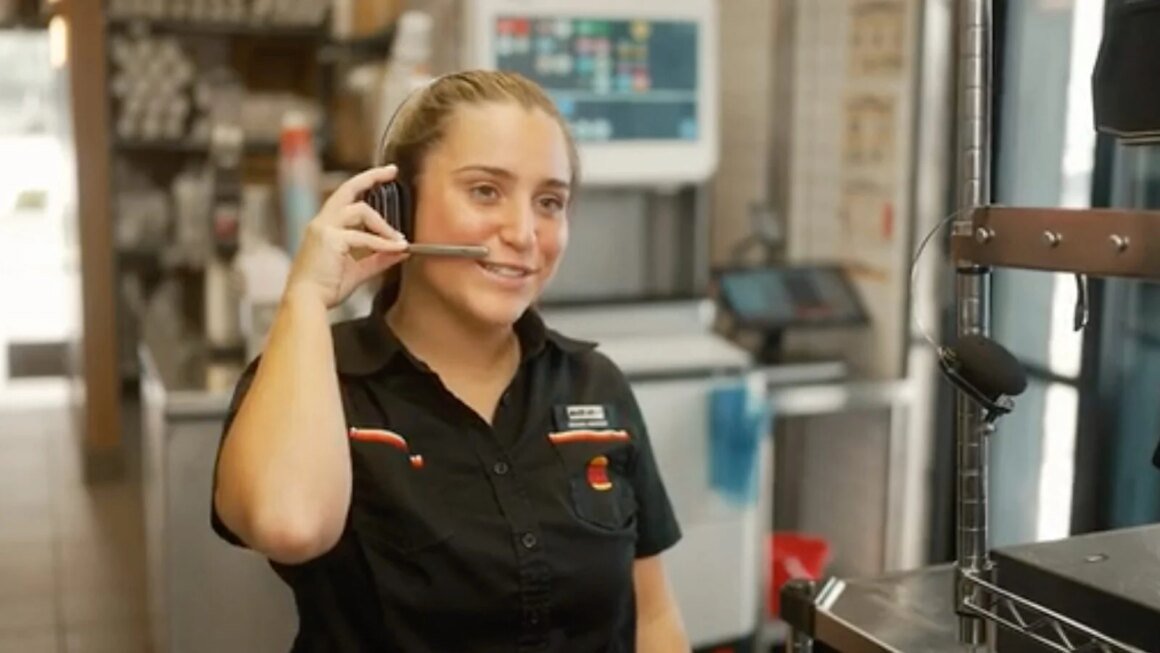

The fast-food chain Burger King is set to introduce an artificial intelligence assistant named “Patty” across its US and Canadian locations by the end of the year. This AI-driven audio assistant will be integrated into employees’ headsets to encourage better customer service by monitoring interactions and prompting staff to use polite phrases like “thank you” and “please.” The technology, which is based on OpenAI’s model, is currently being tested in 500 restaurants.
This initiative is particularly relevant for those in the hospitality and food service sectors. The shift towards AI-assisted customer service reflects a growing trend in automating and streamlining operations in the fast-food industry. For those evaluating the efficiency of restaurant staff or the quality of service they can expect, understanding how AI tools like Patty function may influence choices regarding job opportunities or dining experiences at fast-food establishments. However, concerns regarding employee surveillance and the impact on job satisfaction raise important questions about the implications of such technology.
In the context of market innovation, the use of AI in customer service is not entirely novel. Other companies are also exploring similar tools, but none are as publicly committed to utilizing AI in their daily restaurant operations as Burger King. Alternatives in the technology space include customer service chatbots and voice assistants used in other retail sectors, which function in different capacities and may not interact directly with staff. Depending on individual business models, some may find these systems less intrusive and possibly more effective.
For potential buyers or those considering dining at Burger King, understanding these developments is essential. While the integration of AI might lead to improved service quality, the concept of an AI monitoring employees can feel invasive. If privacy is a concern for you, opting for establishments that prioritize human interaction over automated oversight might be a better choice. Additionally, dining experiences at smaller, locally-owned restaurants can offer more personal touches absent from AI-assisted giants.
Source:
www.01net.com