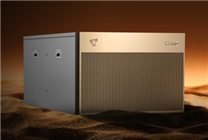

Moore Threads has recently announced that its flagship AI computing card, the MTT S5000, is now in mass production, bolstering the company’s projected revenue for 2025 to approximately $15.05 million, reflecting a staggering year-on-year increase of 243.37%. This significant growth has come despite reporting a net loss of $10.24 million, although this figure has decreased by 36.70% compared to the previous year. The MTT S5000 is designed for high-performance computing, particularly in AI model training, and features advanced specifications aimed at meeting current market demands.
This development is essential for buyers interested in GPU solutions, particularly those engaged in AI research or intensive computational tasks. As industries worldwide increasingly transition to AI and machine learning, the demand for high-performance GPUs is surging. The MTT S5000’s compatibility with popular AI frameworks, including PyTorch and Megatron-LM, makes it a noteworthy option for professionals and researchers seeking robust computing power. However, it’s crucial to note the MTT S5000’s current availability, which may primarily cater to markets in Asia, with unclear prospects for Western markets just yet.
In terms of competition, the MTT S5000 enters a crowded space marked by established players like NVIDIA and AMD. NVIDIA’s A100 GPU, for instance, targets the same performance level for AI workloads but at a significantly higher price point—often exceeding $10,000. Meanwhile, AMD’s MI100 series offers compelling performance at a more accessible price, but it may not match the AI-optimized capabilities of the MTT S5000. Buyers must weigh the specifications against their intended use cases to find the best fit for their needs.
Ultimately, the MTT S5000 is suited for organizations and professionals who require dedicated AI computational resources, particularly in environments where cost-effectiveness is paramount. However, potential buyers should consider their existing ecosystem; if they are already invested in NVIDIA’s or AMD’s solutions, switching to a new architecture might not yield proportional benefits. Those focused on lighter computational tasks might find more value in mid-range options that provide sufficient performance without the heightened investment that high-end cards demand.
Source:
news.mydrivers.com