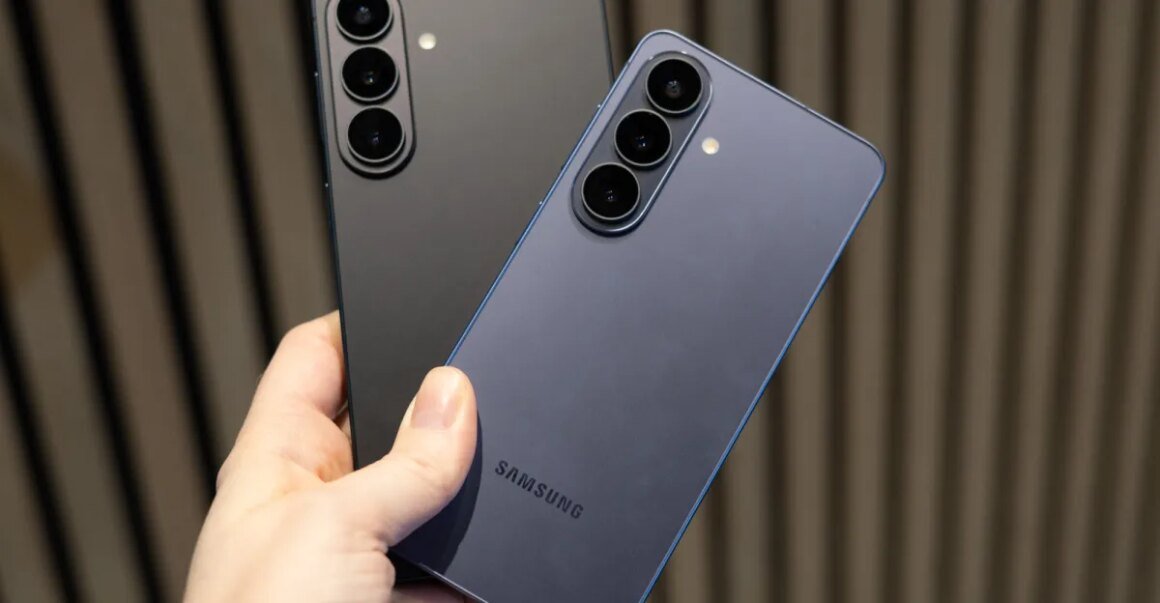

The Samsung Galaxy S26 and S26 Plus have been priced at $899 and $999 respectively, reflecting a $100 increase over their predecessors. This hike has been attributed to rising material costs, specifically a significant memory shortage, along with tariffs affecting pricing globally. Notably, the base model now offers double the storage at 256GB, but it still carries a higher price than last year’s equivalent model.
This price adjustment is particularly relevant for consumers considering a new smartphone. While Samsung’s S26 series is globally available, the increase may lead some potential buyers to reassess their options. If you were previously leaning towards the S25 or looking at other brands, this price jump could influence your decision significantly, especially if budget constraints are a factor.
In terms of market positioning, the Galaxy S26 series competes with other high-end smartphones, like the Apple iPhone 14 and Google Pixel 7. The hardware upgrades, like a built-in privacy screen on the S26 Ultra and a sizable vapor chamber cooling system, may justify the new pricing for tech enthusiasts wanting the latest features. However, the iPhone 14 offers a robust ecosystem and app availability, while the Pixel 7 excels in camera technology, particularly for photography enthusiasts. Each option has its strong points depending on a buyer’s specific needs.
Ultimately, the Galaxy S26 series is worth considering for consumers who value cutting-edge features and are willing to pay a premium for them. However, those on a tighter budget might opt for alternatives like the OnePlus 10 or last year’s models if they seek similar performance without the new price tag. Additionally, the significant price increase may deter buyers looking for more budget-friendly options or those who can wait for a future release that might offer similar features at a lower cost.
Source:
www.theverge.com