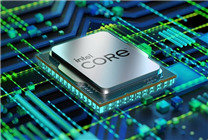

Intel is reportedly moving towards a unified CPU core design, signaling an end to the P+E architecture introduced with its 12th generation Core processors. This shift aims to consolidate performance cores (P-cores) and efficiency cores (E-cores) into a singular architecture, though details on how this will be implemented remain unclear. Currently, Intel has not provided a timeline for when these changes will materialize in new products, suggesting that such advancements may be a few years away from realization.
This matter is significant for consumers considering a new CPU. If you’re in the market for a computer, especially for tasks that demand high processing power, this potential change alters the landscape. Those leaning towards high-performance CPUs should take note, as the traditional P-core design is being questioned due to its higher power consumption and heat generation. In contrast, E-cores may offer a more efficient alternative, which could appeal to buyers seeking long-term energy savings or better thermal management.
In terms of market context, Intel’s latest Core processors are competing alongside AMD’s Ryzen line, which has continually evolved with its own core structure. The Ryzen 5 and 7 series provide robust performance at various price points, often outperforming similarly priced Intel alternatives in multi-threaded applications. Consumers looking for high-end gaming or content creation might consider the Ryzen 9 series, which balances price with performance, whereas those on a budget might find the Ryzen 5 more appealing. Intel’s introduction of a unified architecture may affect its competitive positioning, depending on how well it can leverage the benefits of E-cores compared to AMD’s offerings.
As such, potential buyers of Intel processors should weigh their options carefully. If your primary need is high-performance applications, waiting for Intel’s new unified architecture might be wise, provided the efficiencies of E-cores prove advantageous. Conversely, if you require immediate upgrading for gaming or intensive software, alternatives like AMD’s Ryzen series could offer better performance without the waiting period. It’s essential to assess your unique needs and budget before making a decision, as the upcoming Intel products may not cater to all requirements.
Source:
news.mydrivers.com