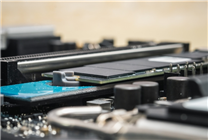

Samsung is set to introduce its first PCIe 6.0 SSDs in the first half of the year, with initial models aimed at technology validation and optimization before mass production. This follows Micron, which has already begun producing PCIe 6.0 SSDs optimized for data centers. Samsung’s upcoming PM1763 series SSDs are designed to reach speeds of up to 30GB/s and offer capacities as high as 256TB, though the power consumption is anticipated to be around 25W.
This development is particularly noteworthy for data centers and enterprise-level users who rely on fast data processing and storage solutions. However, it’s important to note that these high-performance SSDs are not yet relevant for the average consumer. Currently, PCIe 6.0 is not supported on consumer-grade platforms, with industry experts estimating that it may not become available to the general public until around 2030.
In terms of market context, the new Samsung SSDs are positioned at the high end of the spectrum. Given their anticipated performance and specifications, they are likely to carry a premium price tag, potentially in the thousands of dollars. For users looking for alternatives, current SSDs like the PCIe 4.0 Samsung 980 Pro or the Western Digital Black SN850 provide premium performance at more accessible price points—typically ranging from $100 to $300 depending on capacity. These options still offer fast read/write speeds suitable for gaming, content creation, and general high-performance tasks.
This upcoming PCIe 6.0 SSD from Samsung is ideal for businesses and institutions focused on high-speed data needs, but individual consumers should consider alternatives that better fit their current technology. As exciting as these advancements are, a key reason not to invest in this SSD is its lack of compatibility with existing consumer systems. Those looking for a practical storage solution today would be better served by established PCIe 4.0 SSDs, which deliver excellent performance for most applications without the wait for future compatibility.
Source:
news.mydrivers.com