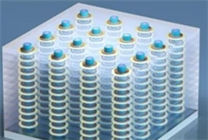

Recent developments from a leading research university have introduced the world’s smallest and most energy-efficient ferroelectric transistor, signaling a notable advancement in chip technology. This new transistor, having a physical gate length reduced to just 1 nanometer, addresses critical issues like high energy consumption and voltage mismatches typical in traditional ferroelectric transistors. The technology lays the groundwork for the next generation of high-performance AI chips.
This breakthrough is significant for those interested in high-efficiency computing, particularly in sectors involving data centers and artificial intelligence. While specifics about commercial availability remain unclear, this technology signals an important shift towards more efficient computational devices, which could impact purchasing decisions for companies investing in AI-driven hardware solutions.
In the broader context of computing technology, this new transistor is positioned against existing alternatives that may not offer the same level of efficiency. Traditional transistors from manufacturers like Intel and AMD typically operate on different scales of energy consumption and performance. For example, conventional processors may start at around $300, while ultra-efficient models, like those utilizing the latest in power management technology, can reach upwards of $800. This new technology may appeal to those in data-intensive fields who need advanced solutions, while hobbyists or casual users may find traditional options more than adequate for their needs.
Potential buyers should consider whether this innovation meets their specific needs. For enterprises focused on maximizing efficiency at scale, this technology could represent a compelling option. However, for individuals or smaller businesses with less demanding requirements, the price and complexity involved may not justify the investment, especially when more affordable alternatives are readily available. It’s essential for buyers to weigh the potential benefits against their actual computing needs.
Source:
news.mydrivers.com