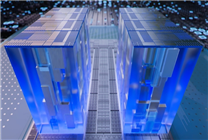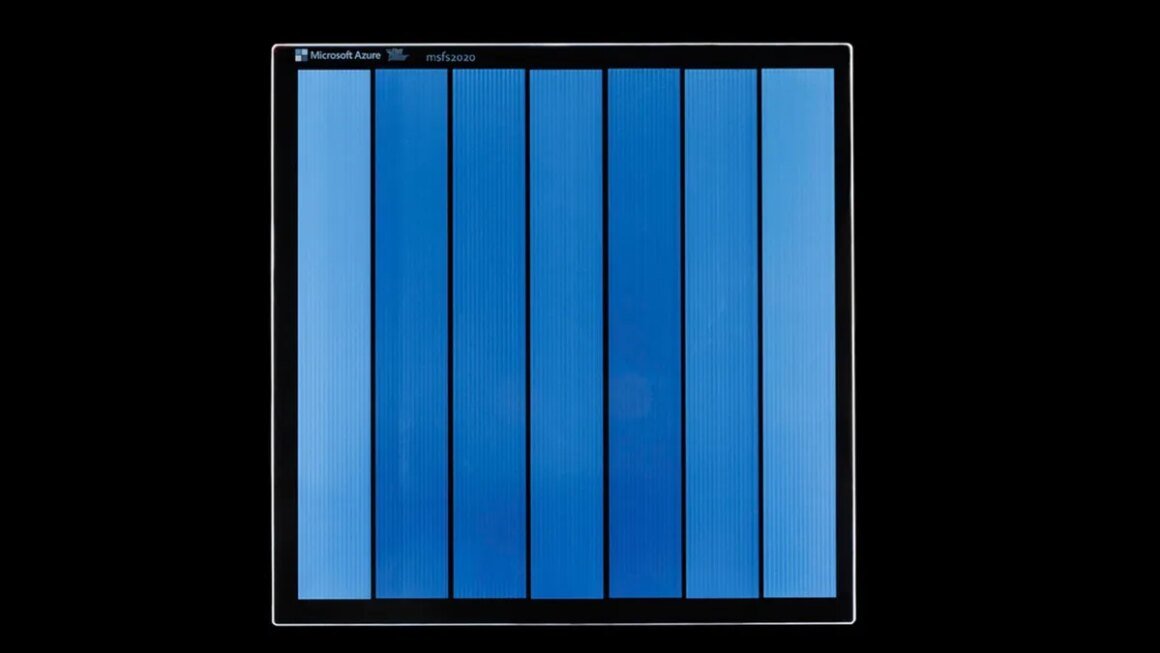

Microsoft is developing a new data storage method that utilizes lasers to write information inside glass, claiming that this data can last up to 10,000 years. This technology, part of their Project Silica, aims to revolutionize how we store digital information by making it more durable and less prone to degradation over time.
This development is particularly relevant for businesses and institutions that rely on long-term data preservation, such as museums, libraries, and tech companies. As global data storage needs continue to grow exponentially, the ability to store large amounts of data securely and sustainably becomes crucial. The approach Microsoft is taking—using borosilicate glass instead of more expensive alternatives—opens the door for wider adoption and potential commercial applications, though as of now, it’s not yet available for personal users.
In terms of market alternatives, traditional storage solutions include hard disk drives (HDDs), solid-state drives (SSDs), and even cloud storage options. HDDs can be found at lower costs, often around $50 for 1TB, but tend to have a shorter lifespan and are susceptible to data loss over time. SSDs offer faster read/write speeds and greater durability, generally starting at around $100 for 1TB, while cloud storage can range significantly based on service and data volume. Each of these options has its pros and cons depending on the specific storage needs, budget limitations, and organizational goals.
Potential buyers should consider this technology if they are looking for a long-term data preservation solution, particularly in archival contexts. However, those who need immediate storage solutions for everyday use might find traditional options more accessible and practical, given this glass-based technology is still in developmental stages. Moreover, the cost-effectiveness and operational readiness of Project Silica remain to be fully realized as it transitions from research to commercial product.
Source:
www.cnet.com