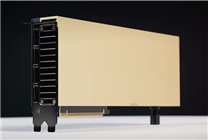

The NVIDIA RTX 6000D is a recent addition to the high-end workstation graphics card market, derived from the RTX PRO 6000 architecture but significantly trimmed down. Key specifications include a reduced CUDA core count from 24,064 to 19,968, a lower memory bandwidth of 1.57TB/s, and a cut in video memory from 96GB to 84GB GDDR7. Currently, there is no clear market for this card in China, raising questions about its viability and potential audience.
This matters now for professionals looking to invest in robust graphic capabilities for high-performance computer-aided design or deep learning tasks. While this card is intended for markets that utilize powerful GPUs, the absence of established demand in significant sections of the world, especially in China, might indicate limited interest elsewhere. Buyers should be cautious, as this might reflect a broader trend in the demand for high-end GPUs with diminishing returns.
In terms of market context, the RTX 6000D sits in a precarious position against its competitors. For around $3,500, it offers a subdued performance, which may not justify the investment when alternatives like the AMD Radeon Pro VII or NVIDIA’s own RTX A6000 tend to perform better for similar or less cost. Each option carries its pros and cons based on the specific requirements of the user, particularly in computational power versus rendering tasks.
Ultimately, the RTX 6000D may not present the best value for everyone. While it can still outperform older cards like the RTX PRO 5000, those seeking cutting-edge performance might find better offerings elsewhere. Conversely, the reduced specs and unclear market positioning could dissuade a buyer looking for reliable, long-term support. Users requiring high-performance graphics may want to evaluate better-suited alternatives, particularly those that have proven market viability.
Source:
news.mydrivers.com