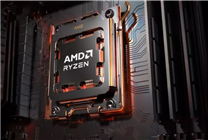

AMD and Intel are gearing up to launch their next-generation processors by the end of this year, featuring significant upgrades in specifications. AMD’s Zen 6 and Intel’s Nova Lake are both expected to leverage a new 2nm fabrication process, with Nova Lake adopting advanced architectures from both in-house and TSMC, while Zen 6 aims to capitalize on TSMC’s N2 technology. Anticipated specifications include increased core counts and L3 cache sizes, with Nova Lake boasting configurations of up to 52 cores and 288MB of L3 cache.
This information is particularly relevant for tech enthusiasts and professionals who are in the market for powerful CPUs. If you’re considering a new gaming rig or looking to upgrade your workstation, understanding these upcoming releases can influence your purchasing decision. These processors are poised for global availability, but the actual release date may be closer to the CES event next year, meaning potential buyers might want to hold off on current purchases until they see how these new models compare.
In a competitive landscape, AMD’s offerings will still cater to mainstream consumers, with the Zen 6 series set to deliver from 6 to 24 cores. Comparatively, Intel’s Nova Lake series will offer a different architecture with a higher core count. Market alternatives include AMD’s Ryzen 5000 series and Intel’s 12th generation i7 processors, which remain viable options for budget-conscious buyers. Each has its strengths; for instance, Intel’s i7 excels in single-core performance, while AMD’s Ryzen series may offer better multi-threading capabilities for those who need resource-heavy tasks.
Ultimately, the decision to invest in these new processors should depend on your specific needs. If you prioritize high performance for demanding applications, waiting for the Zen 6 or Nova Lake may be worthwhile. However, if your workload doesn’t require cutting-edge specs, opting for existing models could save you money. Additionally, those who rely on stable performance over the latest technology might find better value in earlier-generation processors that can handle everyday tasks effectively without stretching the budget.
Source:
news.mydrivers.com