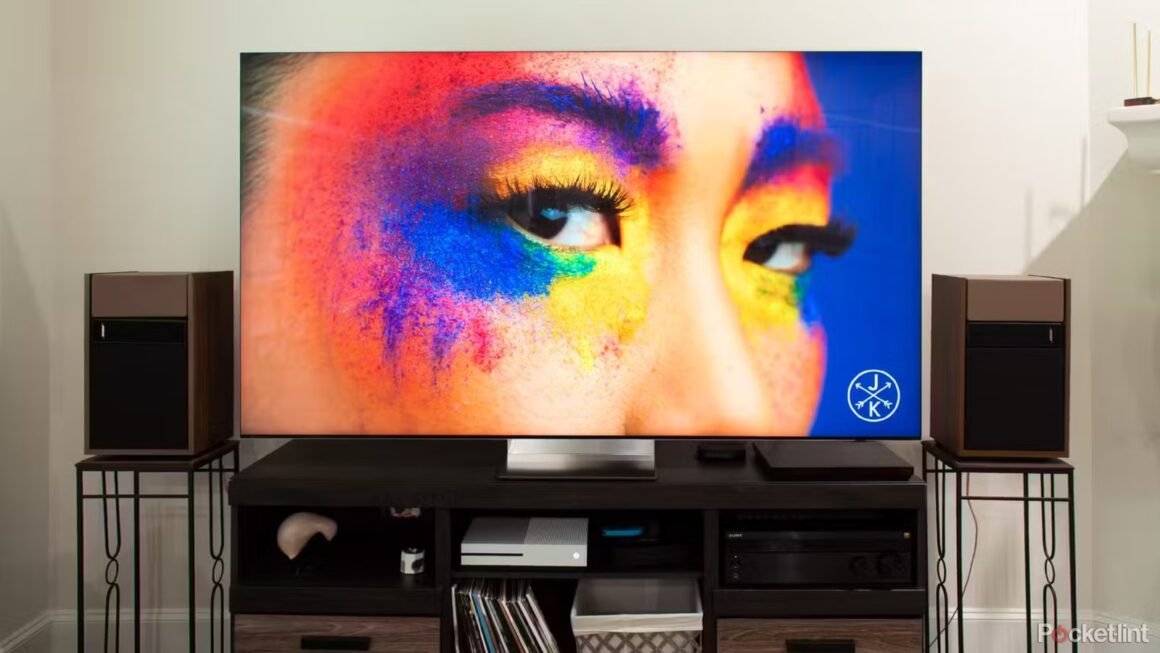

As TV technology evolves, the quest for ultimate picture quality has shifted from 8K resolution to advanced display technologies like MicroLED and RGB mini-LED. While 8K TVs have been on the market for several years, their adoption has been sluggish due to limited content, and manufacturers like TCL, Sony, and LG have largely stepped back, leaving Samsung as the primary player in the 8K market.
This shift matters for consumers currently weighing a new TV purchase. The lack of 8K content means that buyers may be better off investing in high-quality 4K OLED or mini-LED displays that offer a wider array of available content and proven performance. RGB mini-LED, for instance, is gaining popularity due to its high brightness and impressive color accuracy, making it a solid choice for viewers who prioritize vibrant visuals over sheer resolution. These options are currently accessible globally, giving consumers a compelling reason to consider alternatives to 8K.
In terms of market context, 4K OLED TVs remain a robust option, typically ranging from $1,200 to $2,500 depending on size and features. For those seeking something different, RGB mini-LED TVs start at about $1,500 and can reach up to $3,000 for larger models with enhanced features. While 8K sets may appeal to tech enthusiasts, they often come at a premium, usually starting around $2,500, without a clear advantage in viewing content that isn’t available or suited for higher resolutions.
Ultimately, buyers should carefully consider their options. If you’re someone who values cutting-edge technology and is keen on future-proofing your investment, an 8K TV might be on your radar. However, if you’re simply looking for exceptional picture quality and value in the present moment, a high-quality 4K OLED or mini-LED model is likely a more practical choice. Moreover, given the limited content for 8K, many might find better satisfaction spending less and enjoying a superior viewing experience with available 4K options.
Source:
www.pocket-lint.com